



LGBTQ Civil Rights in Greenland if Obergefell and Lawrence Were Overturned
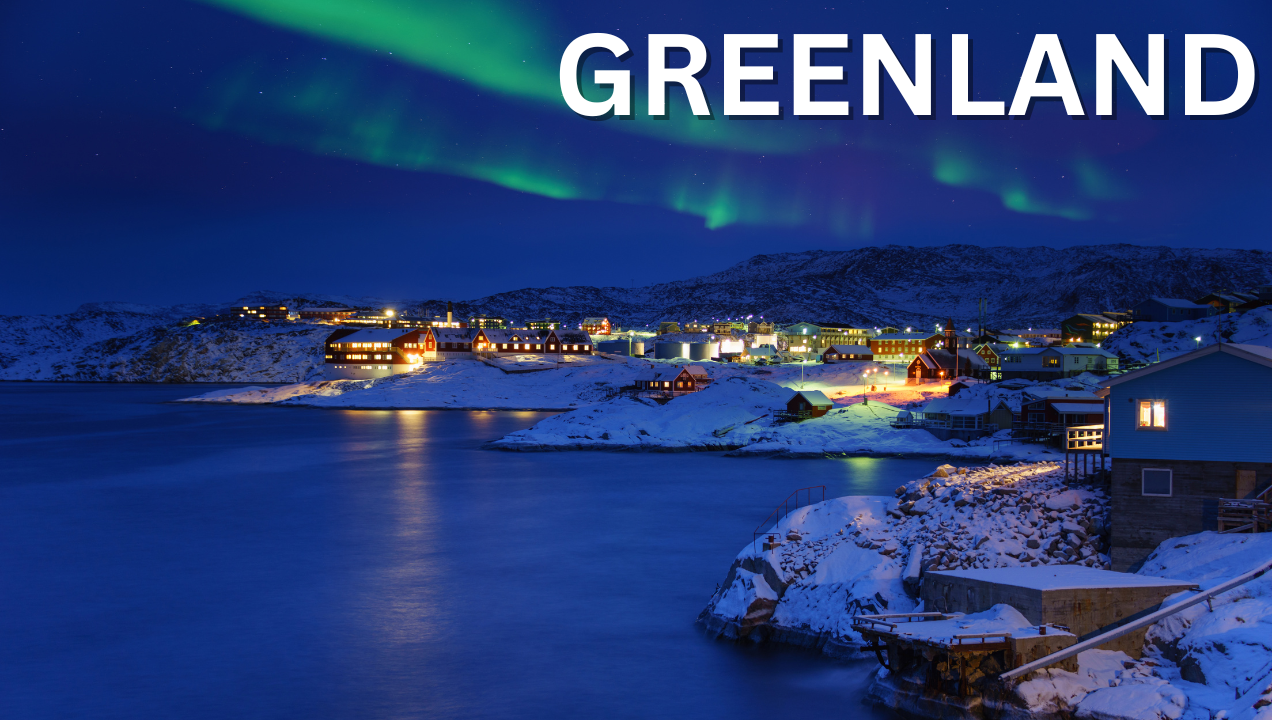
As the U.S. contemplates what a post-Obergefell v. Hodges (2015, marriage equality) and post-Lawrence v. Texas (2003, decriminalizing same-sex intimacy) landscape might look like, Greenland offers an instructive comparison. Though small in population, this self-governing Danish territory has built a strong, modern legal framework protecting LGBTQ people — proof that equality can thrive even in remote places.
⚖️ Marriage Equality and Family Rights
-
Marriage equality: Greenland legalized same-sex marriage in 2016, extending Denmark’s marriage law to the territory. Civil unions, which had been legal since 1996, were replaced with full equality in marriage, divorce, and parental rights.
-
Recognition: Marriages performed in Greenland carry full legal weight within the Kingdom of Denmark and the broader European Union under mutual recognition agreements.
-
Family rights: LGBTQ couples have equal access to inheritance, pensions, spousal medical consent, and joint property rights.
If Obergefell were overturned in the U.S.: Many states could re-impose marriage bans, forcing same-sex couples to live without state recognition. Greenland, in contrast, embeds equality in national law, meaning marital rights are not dependent on shifting political climates.
🚫 Sodomy Laws and Personal Privacy
-
No sodomy laws: Greenland, following Denmark’s lead, repealed sodomy prohibitions in 1933.
-
Equal age of consent: The age of consent is 15 for all individuals, regardless of gender or sexual orientation.
-
Privacy protected: Same-sex intimacy is fully legal and socially accepted, with no mechanism for recriminalization.
If Lawrence were overturned in the U.S.: Several U.S. states could reactivate outdated sodomy laws. Greenland’s early repeal shows how lasting equality becomes when personal privacy is decriminalized and normalized for generations.
💥 Hate Crimes and Anti-Discrimination
-
Hate crimes: Greenland is governed under Danish criminal law, which enhances penalties for hate crimes motivated by sexual orientation or gender identity.
-
Hate-speech protections: Danish Penal Code §266b prohibits public statements that threaten, degrade, or insult groups based on sexual orientation, gender identity, race, or religion.
-
Local context: Hate-crime rates are low due to Greenland’s small, close-knit population, but advocacy groups stress the need for continued education and visibility in remote communities.
U.S. comparison: If federal hate-crime laws such as the Matthew Shepard and James Byrd Jr. Act were weakened, America could lose the consistent protections that Denmark (and by extension Greenland) enforces nationwide.
👨👨👧 Adoption and Parenting Rights
-
Adoption equality: Since 2009, same-sex couples in Greenland have been able to adopt children jointly, mirroring Danish family law.
-
Assisted reproduction: Lesbian couples and single women may access fertility treatments through public healthcare. Gay male couples can pursue surrogacy arrangements abroad, though local surrogacy is restricted.
If Obergefell fell in the U.S.: Adoption rights could again depend on state laws and marital status, leaving LGBTQ families vulnerable — the opposite of Greenland’s uniform national standard.
🏳️⚧️ Transgender Rights
-
Legal recognition: Since 2014, Greenland has allowed gender-marker changes through self-declaration without requiring surgery or psychiatric approval. Applicants must simply affirm their gender identity to the national registry.
-
Healthcare: Gender-affirming care is accessible through the Danish public health system, which covers hormone therapy and surgical options.
-
Social acceptance: While small communities can pose privacy challenges, trans people are protected by national anti-discrimination laws and enjoy legal equality in documentation, employment, and healthcare.
U.S. comparison: If federal protections are rolled back, transgender Americans could face state-level restrictions on healthcare and ID changes — conditions Greenland eliminated nearly a decade ago.
🌈 Conclusion
Greenland stands as a model of quiet but complete equality:
-
💍 Marriage and adoption rights are fully equal.
-
🚫 No sodomy laws or morality statutes remain.
-
⚖️ Hate-crime and hate-speech laws are active and enforced.
-
🏳️⚧️ Transgender people enjoy self-identification and healthcare access.
If Obergefell and Lawrence were overturned, the U.S. would revert to a fractured system where rights vary dramatically by state — while Greenland, under Danish law, would continue to embody a consistent, rights-based model.
The message is clear: Equality doesn’t depend on population size or geography. It depends on commitment. Greenland’s legal structure shows that true progress endures when rights are built into the fabric of national law rather than left vulnerable to judicial reversals.