



LGBTQ Migration - Alaska
     |
 |
 |
 |
|
LGBTQ Civil Rights in Alaska: A Post-Obergefell and Lawrence World
Imagine a world where the rights and protections that LGBTQ individuals have fought for, celebrated, and depended on for years were suddenly taken away. This could become a reality if the U.S. Supreme Court were to overturn landmark decisions like Obergefell v. Hodges (2015), which legalized same-sex marriage nationwide, and Lawrence v. Texas (2003), which decriminalized same-sex intimacy. If these protections were struck down, the consequences for LGBTQ Alaskans could be devastating, affecting everything from marriage and adoption to personal safety and healthcare. In a state where LGBTQ rights are already tenuous in some areas, such a legal reversal would further expose LGBTQ individuals to discrimination, hate, and exclusion.
The Immediate Impact: Reversal of Obergefell v. Hodges and Lawrence v. Texas
-
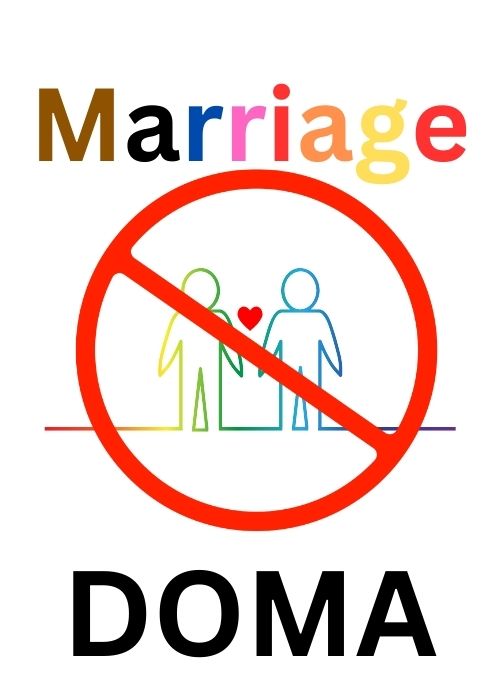
Marriage Equality: The Obergefell ruling was a historic victory for LGBTQ couples, securing the right to marry for same-sex couples across the United States. If this decision were overturned, same-sex marriage could once again be prohibited in Alaska. In fact, prior to Obergefell, Alaska had a constitutional amendment passed in 1998 that explicitly defined marriage as between one man and one woman. Without federal protections, this amendment could be reinstated, leaving same-sex couples without the legal benefits of marriage—such as inheritance rights, tax benefits, and healthcare coverage.
In addition to the personal hardship caused by the lack of marriage recognition, Alaska could see economic consequences, particularly in its tourism and wedding industries. Many LGBTQ individuals travel to states like Alaska for vacation and even destination weddings because of its natural beauty and generally progressive image. Reverting to discriminatory marriage laws could tarnish the state’s reputation and drive away business from progressive tourists.
-
Recriminalization of Same-Sex Intimacy: If Lawrence v. Texas were overturned, it would once again become a criminal offense in certain states to engage in consensual same-sex sexual activity. Though Alaska does not currently have laws specifically criminalizing sodomy, the state did have such laws prior to the Lawrence decision. Should the U.S. Supreme Court reverse this ruling, Alaska’s sodomy laws could potentially be resurrected, placing LGBTQ individuals at risk of arrest or prosecution for engaging in private, consensual sexual activity. This would not only be a violation of civil liberties but could also contribute to a climate of fear and hostility for LGBTQ Alaskans.
LGBTQ Adoption in Alaska: A Complicated Future
In the aftermath of a potential reversal of Obergefell and Lawrence, LGBTQ families in Alaska could face severe challenges in areas like adoption. Alaska law does not prohibit adoption by same-sex couples, but without the federal protections afforded by Obergefell, same-sex couples may struggle to be recognized as legal parents. If same-sex marriage were overturned, there would likely be legal disputes regarding the parental rights of LGBTQ individuals, particularly in cases of adoption, surrogacy, or step-parent adoption.
-
Joint Adoption Issues: In situations where a same-sex couple has children, a parent who is not biologically related to the child could lose legal recognition as a parent. Without a federal mandate for marriage equality, the non-biological parent may face obstacles in legally adopting their child, even if they’ve been the child’s primary caregiver for years. This could lead to custody disputes and the potential for one parent to lose their legal rights over the child in the event of a separation or death.
-
Foster Care and Adoption: While Alaska does not have any laws that explicitly ban LGBTQ individuals or couples from fostering or adopting children, the removal of federal protections for same-sex couples could make it easier for adoption agencies or foster care programs to discriminate based on sexual orientation or gender identity. For instance, some religiously affiliated agencies could choose not to place children with LGBTQ couples, citing the reversal of marriage equality as justification.
Conversion Therapy: A Dangerous Practice
Another devastating consequence of an Obergefell and Lawrence reversal could be a resurgence in the practice of conversion therapy—an often harmful and discredited attempt to change an individual’s sexual orientation or gender identity.
In Alaska, the issue of conversion therapy is not explicitly addressed by state law. However, some localities have passed ordinances to protect minors from this practice. For instance, Anchorage, Alaska's largest city, has taken steps to ban conversion therapy for minors. But, in the absence of federal protections, the legality of conversion therapy could become a battleground in state courts.
Without federal rulings that affirm LGBTQ civil rights, there could be a broader push to legalize or promote conversion therapy as part of a "moral" or "religious" stance against LGBTQ individuals. Advocates of conversion therapy might argue that it should be allowed under the guise of religious freedom, leading to increased harm and trauma for LGBTQ youth. Moreover, the lack of legal protections for LGBTQ individuals could embolden anti-LGBTQ groups, resulting in an increase in the availability of these harmful practices.
Hate Crimes and Violence Against LGBTQ Alaskans
In addition to the rollback of legal protections, LGBTQ individuals in Alaska would also face an uptick in hate crimes and violence. Alaska already has a troubling history with hate crimes, with the state reporting incidents based on sexual orientation and gender identity to the FBI’s annual Hate Crime Statistics report.
In 2021, Alaska recorded 6 hate crimes based on sexual orientation, which was an increase from previous years. The number of hate crimes based on gender identity was less clear but has been steadily rising in recent years. Hate crimes against LGBTQ individuals in Alaska often include physical assaults, harassment, vandalism, and intimidation.
The removal of Obergefell and Lawrence would likely embolden those who harbor anti-LGBTQ sentiments, increasing their sense of impunity. This could lead to a rise in violence against LGBTQ individuals, particularly transgender people who already face a disproportionate amount of hate violence. Transgender individuals in Alaska are especially vulnerable, with reports of harassment and assault being relatively common.
Furthermore, without legal recognition of same-sex marriage and protections against discrimination, LGBTQ Alaskans may be less inclined to report these incidents for fear of retaliation or lack of justice. Law enforcement may also be less equipped or motivated to handle these hate crimes if federal laws protecting LGBTQ people are no longer in effect.
The Future of LGBTQ Rights in Alaska
In a world where Obergefell and Lawrence have been overturned, the future of LGBTQ rights in Alaska could look bleak, but that doesn’t mean all hope is lost. Advocacy organizations like the Alaska Civil Liberties Union (ACLU-Alaska), Identity, Inc., and Fair Alaska would likely continue to fight for LGBTQ rights at the state level. While Alaska does not have comprehensive statewide protections for LGBTQ individuals, many local governments—such as Anchorage and Juneau—have passed laws to protect LGBTQ people from discrimination in employment, housing, and public accommodations.
However, these local ordinances could be at risk if federal protections are reversed, and the fight for equality would likely need to shift to a more aggressive grassroots level, calling for state-level protections for LGBTQ individuals. In the event of a federal rollback, the road ahead would likely be long and challenging, but Alaska’s LGBTQ community has a history of resilience and activism.
Conclusion
If the protections of Obergefell v. Hodges and Lawrence v. Texas were overturned, the civil rights of LGBTQ individuals in Alaska would be severely impacted. From the threat of re-criminalizing same-sex intimacy and making same-sex marriage illegal again, to the challenges of LGBTQ adoption and potential increases in hate crimes and violence, Alaska’s LGBTQ community could face significant legal and social setbacks. Despite this, LGBTQ advocacy in Alaska would remain essential in fighting for protections, recognition, and equality. In this uncertain future, it is clear that the struggle for LGBTQ civil rights will continue, driven by the resilience and determination of those fighting for a more just world.
Sources
LGBTQ freedomforallamericans.org