



LGBTQ Migration - West Virginia
| West Virginia |      |
 |
 |
 |
LGBTQ Civil Rights in West Virginia: A Future Without Obergefell and Lawrence
The hypothetical reversal of landmark Supreme Court decisions like Obergefell v. Hodges (legalizing same-sex marriage) and Lawrence v. Texas (striking down sodomy laws) would profoundly impact LGBTQ individuals across the country. In West Virginia, a state with a complex and evolving history of LGBTQ rights, the consequences could be particularly stark. This blog explores how these reversals could affect marriage equality, hate crimes protections, sodomy laws, adoption rights, and transgender rights in West Virginia.
Same-Sex Marriage and the Threat to Equality
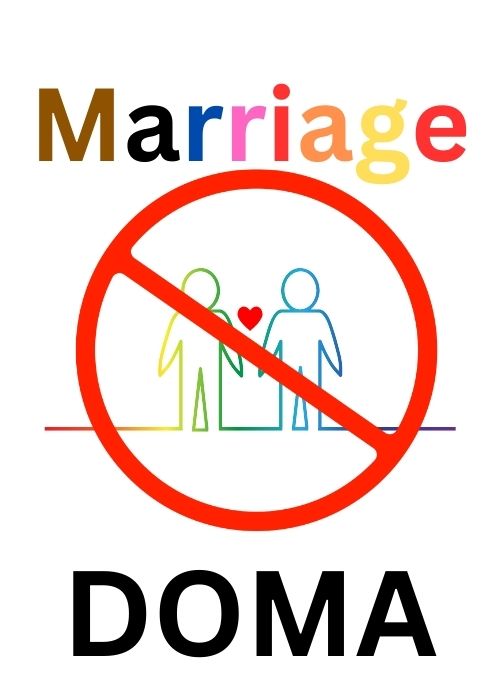
West Virginia began recognizing same-sex marriages in 2014, prior to the Obergefell decision, when a federal court ruling struck down the state's ban. However, if Obergefell were overturned, West Virginia lawmakers could move to reinstate a ban on same-sex marriage, given the state's historically conservative stance on social issues. This would force same-sex couples in West Virginia into legal uncertainty, potentially invalidating their marriages or stripping them of rights tied to marital status, such as inheritance, healthcare decision-making, and tax benefits.
Same-sex couples in West Virginia could also face challenges with federal recognition of their marriages, creating additional obstacles for families who move or travel across state lines. For LGBTQ families, the absence of uniform marriage recognition would bring back the patchwork legal framework that Obergefell sought to end.
Sodomy Laws and the Impact of Lawrence v. Texas
If Lawrence v. Texas were overturned, it could revive anti-sodomy laws across the United States, including West Virginia. While West Virginia repealed its sodomy laws in 1976, a reversal of Lawrence could embolden efforts to reintroduce such laws, either directly or indirectly. Even if sodomy laws were not reinstated in West Virginia, the symbolic effect of reversing Lawrence would reinforce stigma and discrimination against LGBTQ individuals, particularly in more conservative areas of the state.
Hate Crimes and Anti-LGBTQ Violence
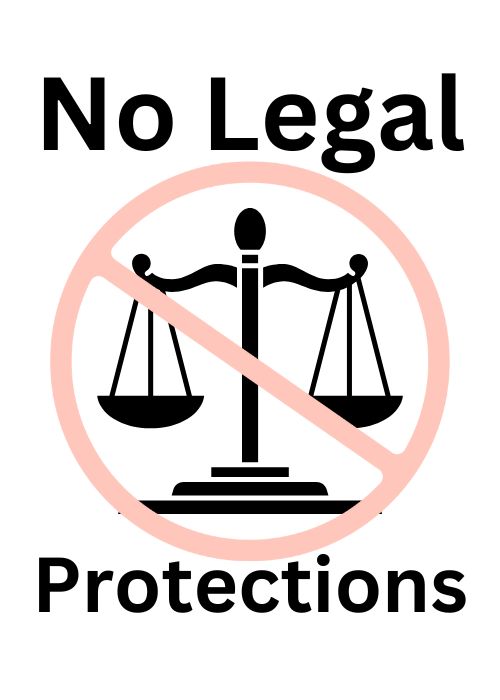
West Virginia's hate crime laws do not explicitly include sexual orientation or gender identity as protected categories. This absence leaves LGBTQ residents particularly vulnerable, as crimes targeting them are less likely to be prosecuted as hate crimes. The lack of explicit protections also sends a troubling message about the state’s priorities when it comes to protecting marginalized communities.
If federal protections were eroded following the overturn of Obergefell and Lawrence, West Virginia’s LGBTQ community could face increased risks of hate crimes, exacerbated by a culture of diminished accountability for perpetrators. Advocacy for the inclusion of sexual orientation and gender identity in state hate crime laws is urgently needed to address this gap.
LGBTQ Adoption Rights
West Virginia allows LGBTQ individuals and couples to adopt children, but the process is not without its challenges. The absence of explicit anti-discrimination laws in adoption proceedings leaves room for bias, particularly in faith-based agencies, which often play a significant role in child placement. If Obergefell were overturned, same-sex couples could face new legal hurdles, including challenges to their parental rights, particularly for non-biological parents.
The rollback of marriage equality could also undermine the legitimacy of LGBTQ families in custody battles and other legal disputes, creating additional hardships for children in these households.
Transgender Rights in West Virginia
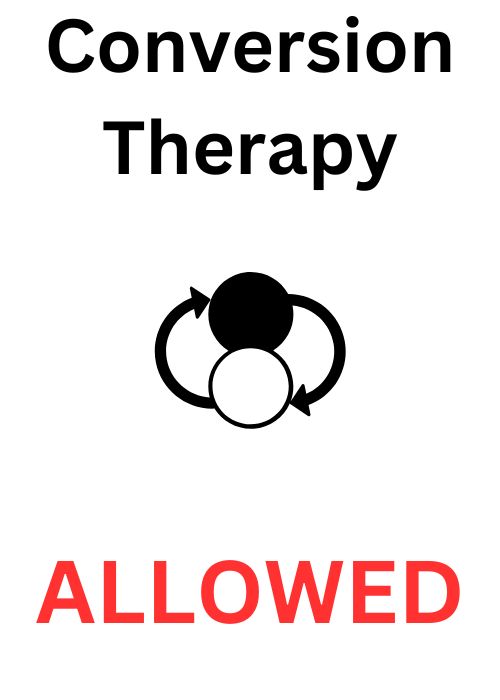
Transgender individuals in West Virginia face significant barriers, from healthcare access to legal recognition of their gender identity. The state does not have comprehensive anti-discrimination protections for gender identity in employment, housing, or public accommodations, leaving trans residents vulnerable to discrimination.
Reversals of federal protections for LGBTQ individuals, including the erasure of trans-inclusive policies, would likely intensify these challenges. For instance, access to gender-affirming healthcare, which is already limited in the state, could be further curtailed by national policy shifts.
Hate Crimes in West Virginia: A Troubling Reality
Despite the lack of state-level hate crime protections for LGBTQ individuals, incidents of anti-LGBTQ violence in West Virginia highlight the pressing need for change. National trends show an increase in hate crimes targeting LGBTQ individuals, and West Virginia is not immune to this troubling reality. In rural and conservative regions of the state, LGBTQ residents often face heightened risks of violence and harassment, compounded by limited legal recourse.
Advocacy groups in West Virginia continue to push for inclusive hate crime laws, but progress has been slow. A reversal of Obergefell and Lawrence could further stall these efforts by emboldening anti-LGBTQ sentiment and reducing political will to advance protections.
Building a Path Forward
If the protections established by Obergefell v. Hodges and Lawrence v. Texas were overturned, the LGBTQ community in West Virginia would face an uphill battle to preserve hard-won rights and protections. Here are key steps to safeguard and advance LGBTQ civil rights in the state:
- Codify Marriage Equality: West Virginia lawmakers should pass state legislation ensuring the right to marriage for all couples, regardless of federal rulings.
- Expand Hate Crime Laws: Advocate for the inclusion of sexual orientation and gender identity in state hate crime statutes.
- Strengthen Non-Discrimination Protections: Pass comprehensive laws protecting LGBTQ individuals in employment, housing, and public accommodations.
- Support LGBTQ Advocacy Groups: Amplify the work of local organizations that provide resources, education, and advocacy for LGBTQ individuals in West Virginia.
- Educate the Public: Promote awareness campaigns to combat stigma and foster a culture of acceptance and inclusion.
Conclusion
Sources
LGBTQ freedomforallamericans.org