



LGBTQ Migration - Missouri
| Missouri |      |
 |
 |
 |
What Would Happen to LGBTQ Civil Rights in Missouri if Obergefell and Lawrence Were Overturned?
The potential reversal of Obergefell v. Hodges, which established same-sex marriage as a constitutional right, and Lawrence v. Texas, which struck down sodomy laws, would have a significant impact on LGBTQ rights across the country. In Missouri, a state with mixed records on LGBTQ protections, the consequences could be particularly stark. This blog explores what such a scenario might mean for LGBTQ rights in Missouri, including marriage equality, hate crimes, adoption rights, sodomy laws, and trans rights.
Marriage Equality and Obergefell v. Hodges
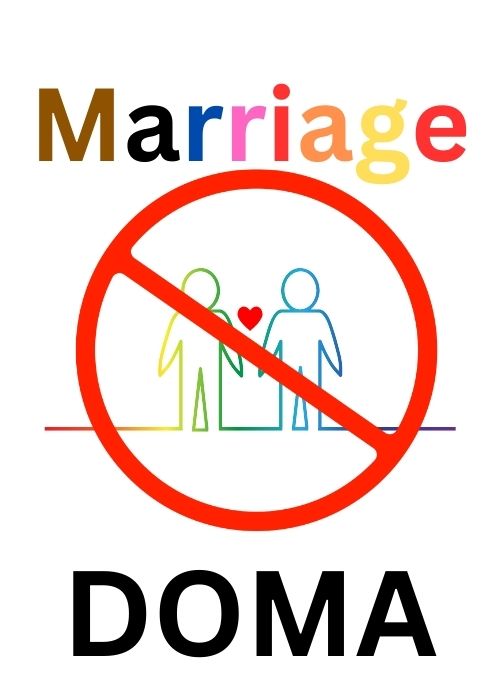
Before Obergefell in 2015, Missouri had a constitutional amendment banning same-sex marriage, passed by voters in 2004. If Obergefell were overturned, it’s highly likely that the constitutional ban would take effect again, effectively making same-sex marriage illegal in Missouri. This would force countless married LGBTQ couples into legal uncertainty and jeopardize spousal benefits, tax statuses, and family protections.
Missouri does not have state-level laws affirming marriage equality, meaning LGBTQ couples would face a stark loss of rights. Additionally, federal challenges would arise around recognition of same-sex marriages performed in other states, creating a patchwork of legality for LGBTQ families.
Sodomy Laws and Lawrence v. Texas
Prior to Lawrence v. Texas in 2003, Missouri had laws criminalizing consensual same-sex relationships, branding them as "sodomy" crimes. If Lawrence were overturned, Missouri’s old sodomy laws could resurface, effectively re-criminalizing private, consensual sexual activity for LGBTQ individuals.
Though rarely enforced before Lawrence, sodomy laws have historically been used to justify discrimination, from employment decisions to custody battles. The symbolic return of such laws would be devastating for LGBTQ individuals in Missouri, reinforcing stigma and discrimination.
Hate Crimes in Missouri
Missouri’s hate crime statutes include protections for sexual orientation but do not explicitly protect gender identity. This gap leaves transgender and nonbinary individuals more vulnerable to violence and discrimination. According to FBI data, hate crimes targeting LGBTQ individuals have been on the rise nationwide, and Missouri has experienced its share of these incidents.
If federal protections for LGBTQ individuals were weakened or removed, it could embolden anti-LGBTQ violence. Missouri lawmakers could address this gap by amending the state’s hate crime laws to include gender identity, but such a move might face significant opposition in the current political climate.
Adoption Rights for LGBTQ Parents
In Missouri, LGBTQ individuals and same-sex couples can legally adopt children. However, the state does not have explicit statutes that protect LGBTQ adoptive parents from discrimination. Religious exemptions in adoption and foster care services have been a contentious issue in Missouri, allowing agencies to refuse placements to LGBTQ families based on religious beliefs.
If Obergefell were overturned, LGBTQ families could face additional hurdles in adoption and parental rights, particularly in cases involving non-biological parents. Missouri could see a resurgence of legal battles over the recognition of LGBTQ families, further marginalizing these communities.
Trans Rights in Missouri
Transgender rights in Missouri remain limited and under threat. The state does not explicitly protect gender identity in its anti-discrimination laws, leaving transgender individuals vulnerable in employment, housing, and public accommodations. Additionally, Missouri has been part of a national wave of states introducing and passing legislation targeting transgender youth, particularly in areas like healthcare and sports participation.
If federal protections were scaled back or removed entirely, Missouri’s trans community could face increased marginalization and hostility. Without proactive state-level protections, trans individuals in Missouri would continue to struggle for equality and safety.
A Changing Climate: What’s at Stake
The reversal of Obergefell and Lawrence would fundamentally alter the landscape of LGBTQ rights in Missouri. Combined with existing challenges, these reversals could:
- Reinstate legal discrimination under the guise of outdated laws.
- Create confusion and legal battles over marriage, adoption, and family rights.
- Worsen the already precarious situation for transgender individuals.
Missouri’s relatively limited LGBTQ protections make it particularly vulnerable to the ripple effects of federal rollbacks.
What Can Be Done?
In the face of potential federal regression, Missouri has an opportunity to act decisively in protecting its LGBTQ citizens. Here’s how:
- Strengthen State Protections: Amend Missouri’s anti-discrimination and hate crime laws to include explicit protections for gender identity.
- Codify Marriage and Family Rights: Pass state legislation affirming marriage equality and safeguarding LGBTQ adoption and parental rights.
- Protect Trans Rights: Introduce laws ensuring equal access to healthcare, education, and public services for transgender individuals.
- Promote Advocacy and Education: Foster a culture of acceptance and equality through public education campaigns and community outreach.
Conclusion
Missouri’s LGBTQ community stands at a crossroads. The reversal of Obergefell and Lawrence would undo decades of progress, threatening fundamental rights and protections. In a state where LGBTQ rights have already been a contentious issue, these decisions could create a legal and social environment that fosters discrimination and marginalization.
Advocates and allies must remain vigilant and push for stronger state-level protections to ensure that Missouri becomes a place where all individuals, regardless of their sexual orientation or gender identity, can live with dignity and equality.