



LGBTQ Migration - South Carolina
| South Carolina |      |
 |
 |
 |
The Fragility of Progress: LGBTQ Civil Rights in South Carolina Amid Potential Federal Rollbacks
The possibility of landmark Supreme Court cases such as Obergefell v. Hodges and Lawrence v. Texas being overturned raises urgent questions about the future of LGBTQ rights in South Carolina. While some states have codified LGBTQ protections in their laws, South Carolina’s limited legal safeguards make the stakes even higher for the LGBTQ community. This blog explores how such reversals could affect marriage equality, adoption rights, trans rights, hate crimes, and the resurgence of sodomy laws in the Palmetto State.
The Current Landscape of LGBTQ Rights in South Carolina
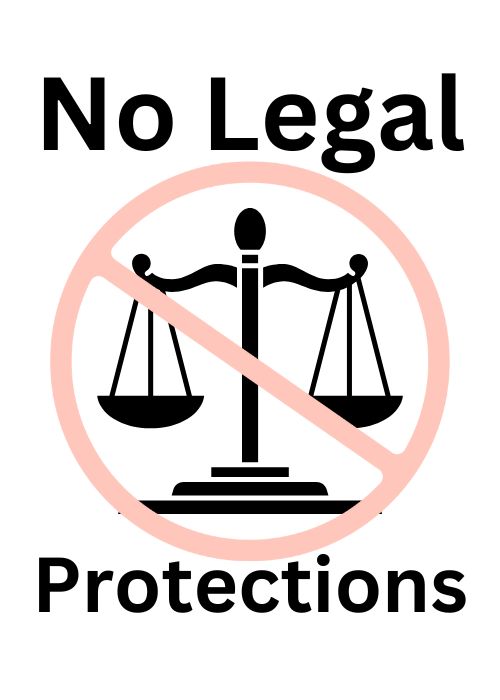
South Carolina has historically lagged behind in LGBTQ protections, and the absence of statewide anti-discrimination laws or hate crime statutes highlights this reality. LGBTQ individuals often rely on federal protections to safeguard their rights. If federal rulings like Obergefell and Lawrence were overturned, South Carolina’s LGBTQ residents could face significant setbacks.
Marriage Equality and Adoption Rights
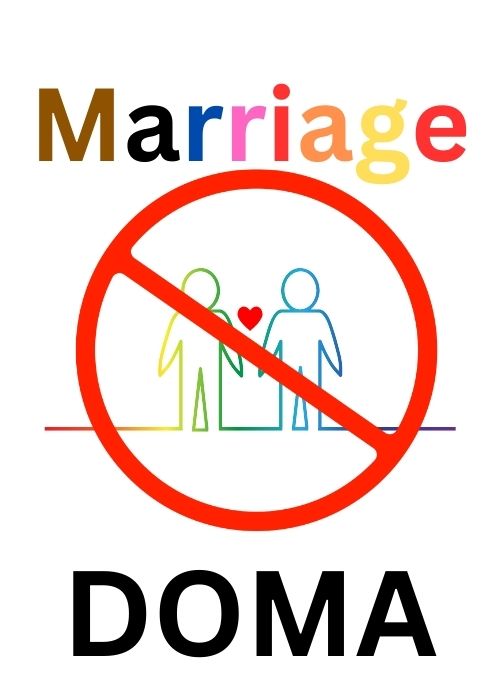
If Obergefell v. Hodges were overturned, South Carolina would likely reinstate its ban on same-sex marriage, which was in effect before the Supreme Court’s 2015 decision. The state’s constitutional amendment, passed in 2006, explicitly defines marriage as between one man and one woman. This reversal would not only strip same-sex couples of the right to marry but also raise questions about the validity of existing marriages.
Adoption rights could also be affected. While same-sex couples in South Carolina can currently adopt children, the absence of marriage equality would complicate legal recognition of families. Non-biological parents in same-sex relationships might face legal challenges to establish parental rights, potentially leading to heartbreaking custody disputes.
Resurgence of Sodomy Laws
Before Lawrence v. Texas struck down sodomy laws nationwide, South Carolina maintained laws criminalizing consensual same-sex relationships. If Lawrence were overturned, these laws could technically be revived. While enforcement might be rare, the very existence of such laws would stigmatize LGBTQ people and provide a legal basis for discrimination.
Additionally, the symbolic reinstatement of sodomy laws could embolden anti-LGBTQ sentiments, creating a hostile environment for queer individuals and couples in the state.
Hate Crimes and Violence Against the LGBTQ Community
South Carolina is one of only two states without a hate crime law. This absence leaves LGBTQ residents particularly vulnerable to bias-motivated violence. According to recent FBI data, hate crimes against LGBTQ individuals have been rising nationally. Without specific protections, victims in South Carolina often face additional hurdles when seeking justice.
Overturning federal LGBTQ protections could further exacerbate this issue. Hate crimes could increase as anti-LGBTQ rhetoric gains legitimacy in the absence of robust legal safeguards. Advocacy for a state-level hate crime law has gained momentum in recent years, but no legislation has yet been enacted.
Trans Rights: Challenges Ahead
Transgender individuals in South Carolina face unique challenges, even under current legal protections. The state does not have laws explicitly protecting gender identity in employment, housing, or public accommodations. Federal protections under Title VII of the Civil Rights Act, as interpreted by the Supreme Court in Bostock v. Clayton County, have provided some relief. However, these protections could also be undermined by a conservative shift in federal jurisprudence.
Issues like access to gender-affirming healthcare, documentation changes, and participation in sports remain contentious in South Carolina. The rollback of federal protections would likely embolden legislative efforts to further restrict trans rights, as seen in other Southern states.
What Needs to Be Done?
In the face of potential federal rollbacks, South Carolina must take proactive steps to protect its LGBTQ residents:
- Push for a Hate Crime Law: Advocating for a state-level hate crime law that includes sexual orientation and gender identity is crucial to deterring violence and ensuring justice for victims.
- Codify Non-Discrimination Protections: Passing statewide laws that prohibit discrimination based on sexual orientation and gender identity in employment, housing, and public spaces would provide much-needed security for LGBTQ residents.
- Support Trans Rights: Ensuring access to gender-affirming healthcare and allowing easy updates to gender markers on official documents would affirm the dignity of transgender individuals.
- Defend Marriage Equality: Advocating for the removal of South Carolina’s constitutional ban on same-sex marriage would be a critical step to safeguard LGBTQ families.
- Foster Public Awareness: Community outreach and education campaigns can help reduce stigma and build support for LGBTQ rights at the grassroots level.
A Call to Action
The potential reversals of Obergefell v. Hodges and Lawrence v. Texas underscore the fragility of LGBTQ rights in South Carolina. Without strong state-level protections, the LGBTQ community could face profound challenges in the coming years. Advocacy, resilience, and solidarity will be essential to ensuring that South Carolina moves toward equality rather than retreating into discrimination.
The fight for LGBTQ rights is far from over, and the time to act is now. Whether through legislative advocacy, community organizing, or simply standing in support of LGBTQ neighbors, South Carolinians must rise to meet this critical moment.