



LGBTQ Migration - Oklahoma
| Oklahoma |      |
 |
 |
 |
LGBTQ Civil Rights in Oklahoma: What If Obergefell and Lawrence Were Overturned?
The potential reversal of Obergefell v. Hodges and Lawrence v. Texas would have sweeping consequences for LGBTQ civil rights in the United States, particularly in conservative states like Oklahoma. These landmark Supreme Court cases, which legalized same-sex marriage (Obergefell) and struck down sodomy laws (Lawrence), have been foundational to LGBTQ rights. In Oklahoma, the rollback of these decisions could lead to the reinstatement of discriminatory policies and embolden anti-LGBTQ sentiment.
This blog explores the possible repercussions in Oklahoma, from hate crimes and sodomy laws to adoption rights and transgender protections, offering a glimpse into the potential fallout of such reversals.
The State of LGBTQ Rights in Oklahoma
Oklahoma has historically lagged behind in LGBTQ protections compared to more progressive states. With no statewide anti-discrimination laws covering sexual orientation or gender identity, the state relies heavily on federal protections to safeguard LGBTQ individuals. The undoing of Obergefell and Lawrence would likely have significant legal, social, and cultural impacts.
Marriage Equality and Parental Rights
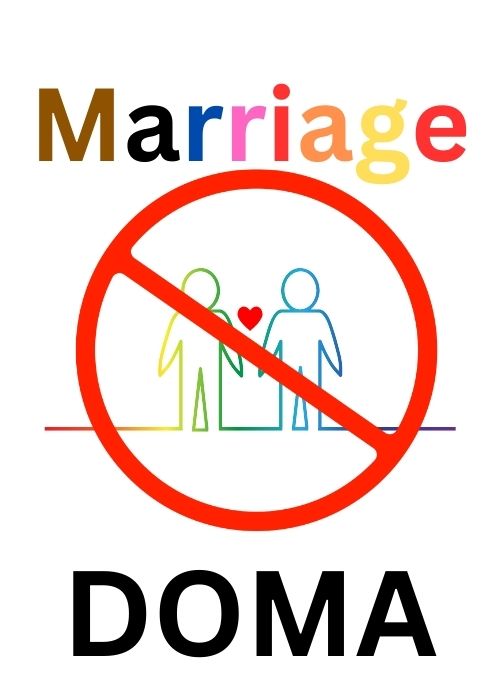
If Obergefell v. Hodges were overturned, the legality of same-sex marriage would revert to the states. Oklahoma's state constitution explicitly bans same-sex marriage, a law rendered unenforceable by Obergefell. Without the federal mandate, this ban could be reinstated, stripping same-sex couples of their right to marry in the state.
The ripple effects would extend to family rights. LGBTQ parents in Oklahoma could face legal challenges, particularly regarding adoption and parental recognition. Currently, same-sex couples in Oklahoma can adopt, but these rights hinge on federal recognition of their marriages. The absence of Obergefell could lead to legal battles over custody, adoption, and parental rights, with non-biological LGBTQ parents at particular risk.
Sodomy Laws and the Impact of Lawrence v. Texas
Before Lawrence v. Texas struck down sodomy laws nationwide in 2003, Oklahoma had laws criminalizing same-sex intimacy. If Lawrence were overturned, these archaic laws could be reinstated, creating a legal pretext for targeting LGBTQ individuals. While enforcement of sodomy laws in modern times might be rare, their reinstatement would carry significant symbolic weight, stigmatizing LGBTQ relationships and emboldening discriminatory attitudes.
Hate Crimes and Violence Against LGBTQ Individuals
Oklahoma’s hate crime laws include protections for sexual orientation but notably exclude gender identity. This gap leaves transgender individuals particularly vulnerable. According to the FBI’s hate crime data, incidents targeting LGBTQ individuals have been rising nationally, and Oklahoma has seen its share of such violence. In 2021, hate crimes based on sexual orientation made up a significant portion of reported cases in the state.
If federal protections were weakened, hate crimes could become more prevalent, and enforcement might wane in less supportive jurisdictions. Advocacy for stronger state-level hate crime laws, including protections for gender identity, would become crucial in this scenario.
Transgender Rights in Oklahoma
Transgender rights in Oklahoma are already under attack, with state lawmakers introducing bills to restrict healthcare access, participation in sports, and even public accommodations. The absence of federal protections would exacerbate these issues, making it easier for Oklahoma to enact and enforce anti-trans legislation.
Oklahoma currently lacks statewide laws explicitly protecting transgender individuals from discrimination in employment, housing, or public accommodations. The rollback of federal safeguards, such as those established under Bostock v. Clayton County, could leave trans individuals with no recourse against discrimination in many areas of life.
Adoption and Parenting Rights for LGBTQ Families
While same-sex couples can currently adopt in Oklahoma, the reversal of Obergefell could disrupt these rights. Religious adoption agencies in the state are already allowed to refuse service to LGBTQ couples under religious freedom laws. Without federal protections, these agencies could gain more leeway to discriminate, further limiting options for LGBTQ families seeking to adopt or foster children.
The Broader Implications for Oklahoma
The rollback of Obergefell and Lawrence would likely embolden anti-LGBTQ lawmakers and activists in Oklahoma. The state could see:
- Resurgence of Discriminatory Laws: Sodomy laws and same-sex marriage bans could return.
- Increased Stigma: Legal rollbacks would send a message that LGBTQ individuals are not equal under the law, fostering a culture of intolerance.
- Legal Challenges: LGBTQ individuals would face significant hurdles in accessing rights and protections previously secured under federal law.
What Can Be Done?
In the face of these challenges, advocacy and activism are critical. Here are steps that can be taken to protect LGBTQ rights in Oklahoma:
- Strengthen State Laws: Push for statewide anti-discrimination protections that include both sexual orientation and gender identity.
- Advocate for Hate Crime Protections: Expand hate crime laws to cover gender identity and ensure robust enforcement.
- Support LGBTQ Organizations: Local and national LGBTQ advocacy groups can provide resources, legal assistance, and support.
- Educate and Organize: Public education campaigns can combat misinformation and foster acceptance.
Conclusion
The potential reversal of Obergefell v. Hodges and Lawrence v. Texas would mark a significant step backward for LGBTQ rights, particularly in states like Oklahoma with limited existing protections. Such decisions would not only erode legal rights but also deepen social and cultural divisions. Oklahoma’s LGBTQ community and allies must remain vigilant, advocating for state-level protections and fostering resilience in the face of uncertainty. While the road ahead may be challenging, the fight for equality and dignity must continue.