



LGBTQ Migration - Arizona
| Arizona |      |
 |
 |
 |
LGBTQ Civil Rights in Arizona: A Post-Obergefell and Lawrence World
The legal landscape for LGBTQ individuals in the United States could drastically shift if the U.S. Supreme Court were to overturn pivotal rulings like Obergefell v. Hodges (2015), which legalized same-sex marriage nationwide, and Lawrence v. Texas (2003), which decriminalized consensual same-sex intimacy. Arizona, a state with a complicated history of LGBTQ rights, would face severe challenges should these rulings be overturned. LGBTQ Arizonans would likely experience setbacks in marriage equality, adoption rights, and protections from discrimination, all of which would increase the vulnerability of the community to legal and social harm. Moreover, the potential revival of laws criminalizing same-sex intimacy and the legality of conversion therapy could exacerbate these difficulties, particularly in a state that has yet to fully embrace LGBTQ rights at the state level.
Reversal of Obergefell v. Hodges and Lawrence v. Texas: What Could Happen?
-
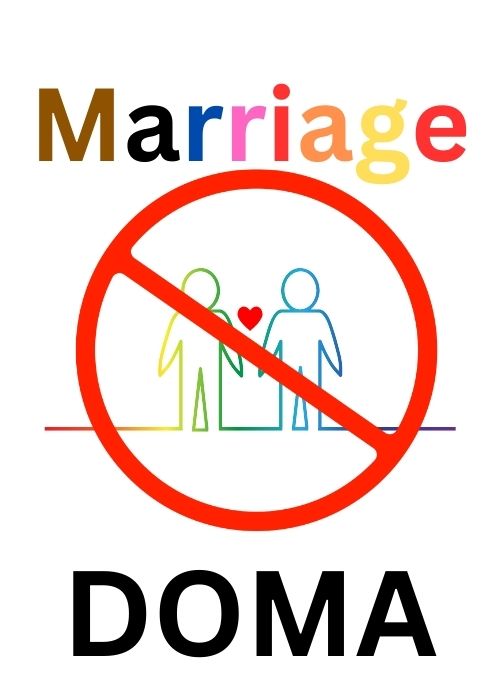
Same-Sex Marriage: Obergefell v. Hodges legalized same-sex marriage across the United States, but if the decision were overturned, Arizona could return to a pre-Obergefell status, where same-sex marriage was not legally recognized. Arizona had a state constitutional amendment (Proposition 102) passed in 2008, which defined marriage as between one man and one woman. Although Obergefell invalidated this amendment, a reversal would allow Arizona to reinstate this ban, effectively denying same-sex couples the right to marry.
The implications for same-sex couples in Arizona would be profound. Denying marriage rights would strip away the many legal protections associated with marriage, such as inheritance rights, tax benefits, and healthcare coverage. In Arizona, where marriage equality is still relatively new (following Obergefell), the social and emotional harm of having these rights taken away would be immense.
-
Recriminalizing Same-Sex Intimacy: If the Lawrence v. Texas ruling were overturned, it could lead to the re-criminalization of consensual same-sex intimacy in states that previously had laws criminalizing sodomy, including Arizona. Prior to Lawrence, Arizona had a sodomy law that prohibited same-sex sexual activity. The ruling in Lawrence invalidated similar laws nationwide, affirming that such bans violated the constitutional right to privacy.
Should Lawrence be overturned, Arizona’s sodomy laws could come back into effect, potentially making consensual same-sex intimacy illegal again. This could create a dangerous environment where LGBTQ individuals fear criminal prosecution for simply living their lives authentically. Even if enforcement of such laws were less common, the mere existence of these laws would serve as a reminder of the legal risks LGBTQ individuals face.
LGBTQ Adoption in Arizona: A Risk to Family Stability
One of the key concerns for LGBTQ couples in Arizona, should Obergefell and Lawrence be overturned, would be the impact on adoption and family recognition. While Arizona does not have a law banning same-sex couples from adopting children, the absence of marriage equality protections would create significant legal uncertainty for same-sex couples seeking to adopt or establish parental rights.
-
Joint Adoption and Parental Rights: Without the legal framework of marriage, a same-sex partner in a non-biological relationship could struggle to gain legal recognition as a parent. If one partner in a same-sex couple adopts a child, the non-adoptive parent might not automatically gain legal parent status without additional steps, such as a second-parent adoption. In the absence of federal protections, this could lead to complications in cases of separation or custody disputes.
-
Foster Care and Adoption Challenges: While Arizona has no statewide ban on same-sex adoption, certain adoption agencies, particularly faith-based agencies, may still refuse to place children with LGBTQ couples based on religious or moral beliefs. If the Obergefell decision were overturned, these agencies might argue that the legal recognition of same-sex marriage is unnecessary, and the risk of discrimination against LGBTQ families in the adoption process would rise.
Conversion Therapy: A Rising Threat?
Conversion therapy, which attempts to change an individual’s sexual orientation or gender identity, has been widely discredited by medical professionals, but its practice is still legal in many states. Arizona has no statewide ban on conversion therapy for minors, though several cities and counties have passed local ordinances prohibiting it.
-
Legalizing Conversion Therapy: If Obergefell and Lawrence were overturned, the push to legalize or expand the use of conversion therapy could gain momentum, particularly in more conservative areas of the state. Religious groups, in particular, may see a reversal of these landmark cases as an opportunity to push for more widespread acceptance of conversion therapy. While cities like Phoenix and Tucson have ordinances against the practice, these protections would not extend to all parts of the state. Without federal protections, there is a real risk that conversion therapy could become more widely available, especially in smaller towns where LGBTQ individuals may have less access to supportive services.
Additionally, the lack of legal protections for LGBTQ individuals could discourage families from seeking help when their children are subjected to harmful therapies. With conversion therapy still legal in many parts of Arizona, LGBTQ youth could face increased pressure from family members or religious communities to "change" their sexual orientation or gender identity, leading to lasting psychological harm.
Hate Crimes and LGBTQ Safety in Arizona
LGBTQ individuals in Arizona already face a heightened risk of hate crimes, which could increase significantly if protections like Obergefell and Lawrence were overturned. According to the FBI's Hate Crime Statistics Report, Arizona has seen a steady rise in hate crimes based on sexual orientation and gender identity. In 2021, 38 incidents of hate crimes based on sexual orientation were reported in Arizona, a significant portion of the state’s total reported hate crimes.
-
Discrimination and Violence: Hate crimes against LGBTQ individuals, particularly transgender people, have been rising across the United States, and Arizona is no exception. Arizona’s LGBTQ community is at risk of increased violence, including physical assaults, harassment, and property damage, especially if the legal recognition of same-sex relationships and identities is rolled back. These crimes are often underreported, as many victims fear retaliation or further discrimination from law enforcement or the community. The climate of fear and hostility could increase if LGBTQ individuals are no longer protected by landmark rulings like Obergefell and Lawrence.
Arizona is also home to a large number of rural communities where LGBTQ individuals often experience isolation and discrimination. In these areas, the rollback of legal protections could exacerbate the sense of vulnerability, particularly for transgender individuals who are already at a disproportionate risk for violence.
The Path Forward: Advocacy in Arizona
If Obergefell and Lawrence were overturned, LGBTQ rights in Arizona would face a perilous future. However, the state's strong history of advocacy offers hope. Organizations like Equality Arizona, One-n-Ten, and The Arizona Coalition to End Sexual and Domestic Violence continue to advocate for comprehensive protections for LGBTQ individuals. These groups would likely ramp up their efforts to fight against discrimination, promote statewide adoption protections, and challenge the re-criminalization of same-sex intimacy.
At the local level, cities like Phoenix, Tucson, and Flagstaff have already taken steps to protect LGBTQ individuals through anti-discrimination ordinances and other progressive measures. If the federal courts reverse protections, the battle for LGBTQ rights in Arizona could shift to state and local levels, with increased pressure to pass more inclusive policies at the city and county levels.
Conclusion
The potential overturning of Obergefell v. Hodges and Lawrence v. Texas would leave LGBTQ individuals in Arizona without critical legal protections. Same-sex couples could lose their right to marry, while LGBTQ individuals could face the return of sodomy laws that criminalize private acts of intimacy. Adoption rights would be uncertain, and conversion therapy could once again be widely practiced, all while hate crimes and violence against LGBTQ individuals increase.
Despite these challenges, Arizona’s LGBTQ community has a history of resilience and activism. Organizations across the state would continue to fight for legal protections, working at the state and local levels to ensure that LGBTQ rights are upheld. While the road ahead may be difficult, the pursuit of justice and equality for LGBTQ Arizonans remains a powerful and ongoing mission.
Sources
LGBTQ freedomforallamericans.org