



LGBTQ Migration - Kansas
| Kansas |      |
 |
 |
 |
LGBTQ Civil Rights in Kansas: A Look Ahead if Obergefell and Lawrence Were Overturned
The potential overturning of Obergefell v. Hodges and Lawrence v. Texas would have profound consequences for LGBTQ civil rights across the country, including in Kansas. These landmark cases, which legalized same-sex marriage and invalidated sodomy laws, respectively, have been foundational to LGBTQ rights. In a state like Kansas, where protections for LGBTQ individuals are more limited than in progressive states, the impacts could be especially stark. Let’s examine what these reversals might mean for LGBTQ Kansans, from marriage and adoption rights to hate crimes laws and transgender protections.
Same-Sex Marriage and Parental Rights
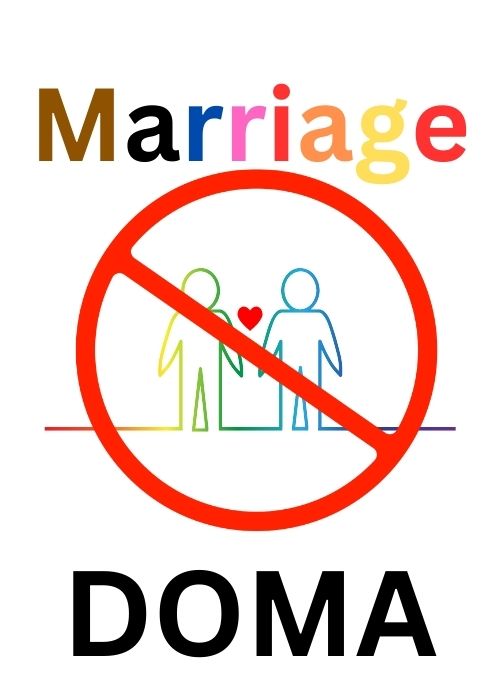
The reversal of Obergefell v. Hodges would send the question of same-sex marriage back to the states, and Kansas could be among those where marriage equality faces significant risks. Before Obergefell, Kansas had a constitutional amendment banning same-sex marriage, passed in 2005. If Obergefell were overturned, this amendment could once again take effect, effectively banning same-sex marriages in the state.
For LGBTQ families, this would raise serious questions about legal recognition and rights. Without marriage equality, issues such as inheritance, spousal benefits, healthcare decision-making, and child custody could become contentious. While some same-sex couples might have their marriages grandfathered in, new marriages could be prohibited, creating a two-tiered system.
Adoption Rights in Kansas
Adoption rights for LGBTQ individuals in Kansas could also come under threat. While Kansas allows LGBTQ individuals and couples to adopt, a 2018 law permits faith-based adoption agencies to refuse services to LGBTQ couples based on religious beliefs. The law has already created barriers for LGBTQ families, and a rollback of federal protections could embolden similar discriminatory policies. Non-biological parents in same-sex relationships may face additional hurdles in securing legal rights to their children.
Sodomy Laws and the Impact of Lawrence v. Texas
Before Lawrence v. Texas, Kansas had one of the most explicitly anti-LGBTQ sodomy laws in the country, which criminalized same-sex intimacy under its “criminal sodomy” statute. Though Lawrence invalidated such laws nationwide in 2003, a reversal would allow Kansas to reinstate its sodomy laws, sending a chilling signal to the LGBTQ community.
Even if not actively enforced, the symbolic return of sodomy laws would perpetuate stigma and discrimination, reinforcing the notion that LGBTQ identities are less valid or even criminal.
Hate Crimes Laws and LGBTQ Safety
Kansas’s hate crimes laws include protections for sexual orientation but not gender identity. This gap leaves transgender individuals particularly vulnerable in a state that already reports significant anti-LGBTQ hate crimes. According to recent FBI statistics, hate crimes targeting LGBTQ individuals have been on the rise nationwide, and Kansas has not been exempt from this troubling trend.
If federal LGBTQ protections erode further, it could embolden those who seek to harm LGBTQ individuals, making the need for comprehensive state hate crimes protections even more urgent.
Trans Rights in Kansas
Transgender rights in Kansas have faced significant challenges. The state does not explicitly protect gender identity in its anti-discrimination laws, leaving transgender individuals vulnerable in areas like employment, housing, and public accommodations. Efforts to pass protections have repeatedly stalled in the legislature.
The broader rollback of federal protections could exacerbate these issues. Without federal guidance, Kansas may see increased restrictions on transgender healthcare access, participation in sports, and even changes to identity documents. Recent years have already witnessed attempts to limit transgender rights through legislative proposals, and a federal vacuum could accelerate such efforts.
Building a Path Forward: Advocacy and Action
The potential overturning of Obergefell and Lawrence underscores the need for advocacy and legislative action at the state level. Here are steps Kansas could take to safeguard LGBTQ rights:
- Codify Marriage Equality: Pass state-level legislation to ensure same-sex marriage remains legal regardless of federal rulings.
- Expand Hate Crimes Protections: Include gender identity in hate crimes laws and strengthen enforcement mechanisms.
- Protect LGBTQ Families: Enact laws that affirm the rights of LGBTQ parents, including non-biological parents in same-sex relationships.
- Pass Non-Discrimination Protections: Include sexual orientation and gender identity in Kansas’s anti-discrimination statutes to provide comprehensive protections for LGBTQ individuals.
- Educate and Mobilize: Build public awareness of LGBTQ issues to counteract stigma and foster community support.
Conclusion
The potential reversal of Obergefell v. Hodges and Lawrence v. Texas would pose significant threats to LGBTQ rights in Kansas, undoing decades of progress. Marriage equality, adoption rights, protections against hate crimes, and transgender rights could all face new challenges. While Kansas has made strides in some areas, much work remains to ensure LGBTQ individuals can live with dignity and equality.
The fight for LGBTQ rights is far from over, and advocacy at the state and local levels will be critical to protecting and advancing these rights in the face of federal uncertainty. Kansas has the opportunity to become a leader in safeguarding the rights of all its residents—now is the time to act.