



LGBTQ Migration - Massachusetts
| Massachusetts |      |
 |
 |
 |
The Fragility of Progress: LGBTQ Civil Rights in Massachusetts in the Wake of Potential Supreme Court Reversals
Massachusetts has long been at the forefront of LGBTQ rights, from becoming the first state to legalize same-sex marriage in 2004 to its robust protections for transgender individuals. However, the potential overturning of landmark Supreme Court cases Obergefell v. Hodges and Lawrence v. Texas could pose significant challenges even in a state as progressive as Massachusetts. These rulings respectively legalized same-sex marriage nationwide and struck down sodomy laws, forming the backbone of federal LGBTQ protections. Their reversal would create ripples that extend far beyond individual state lines.
Let’s examine the potential impact on Massachusetts, focusing on hate crimes, sodomy laws, adoption rights, and the rights of transgender individuals.
Massachusetts and Same-Sex Marriage: A Pioneer Facing New Challenges
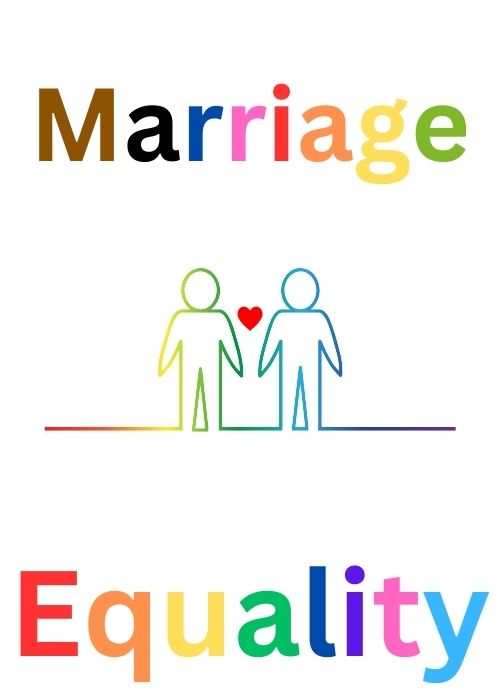
Massachusetts made history in 2004 when its Supreme Judicial Court ruled in Goodridge v. Department of Public Health that same-sex couples had the right to marry. This means that even if Obergefell were overturned, same-sex marriage would remain legal in Massachusetts under state law. However, a rollback of federal recognition could create complex legal and social issues, including:
- Federal Benefits: Same-sex couples in Massachusetts could lose access to certain federal benefits, such as Social Security survivor benefits, tax advantages, and immigration rights.
- Interstate Recognition: Marriages performed in Massachusetts might not be recognized in other states, causing significant challenges for LGBTQ couples who move or travel.
The potential erosion of federal protections would also embolden anti-LGBTQ rhetoric, making it essential for Massachusetts to reaffirm its commitment to marriage equality.
Sodomy Laws and Lawrence v. Texas: Symbolism and Legal Precedent
The reversal of Lawrence v. Texas, which invalidated sodomy laws nationwide, would not directly affect Massachusetts. The state repealed its sodomy laws in 1974. However, such a reversal would carry symbolic weight, signaling a shift toward legitimizing anti-LGBTQ discrimination. The resurgence of sodomy laws in other states could fuel broader cultural and political attacks on LGBTQ communities, creating a hostile environment even in progressive regions.
Hate Crimes in Massachusetts: Progress Amid Persistent Challenges
Massachusetts has strong hate crime laws that include sexual orientation and gender identity. However, hate crimes against LGBTQ individuals remain a concern. According to the FBI’s most recent data, hate crimes targeting sexual orientation and gender identity have increased nationally, reflecting a disturbing trend.
In Massachusetts:
- The state reported multiple incidents of hate crimes targeting LGBTQ individuals in recent years.
- The Massachusetts Office of the Attorney General has increased efforts to combat hate crimes, including public awareness campaigns and specialized training for law enforcement.
While the state’s proactive measures are commendable, a rollback of federal protections could embolden anti-LGBTQ violence, making continued vigilance crucial.
Adoption Rights and LGBTQ Families
Massachusetts has robust adoption laws that allow LGBTQ individuals and couples to adopt and foster children. These rights are protected under state law, so an overturning of Obergefell would not immediately impact LGBTQ adoption rights in Massachusetts.
However, challenges could arise:
- Federal laws or rulings undermining the recognition of LGBTQ families could complicate interstate adoptions or custody disputes.
- Non-biological parents in same-sex relationships could face legal hurdles if federal recognition of their parental rights were rescinded.
Massachusetts must continue to support policies that protect LGBTQ families, ensuring that all children have access to loving, stable homes.
Trans Rights: Leading the Way but Facing National Headwinds
Massachusetts has been a leader in transgender rights, with protections enshrined in law for employment, housing, public accommodations, and healthcare. The state also banned conversion therapy for minors and passed comprehensive legislation supporting trans students in schools.
Yet, the national climate poses risks:
- Federal rollbacks on LGBTQ protections could impact healthcare access for transgender individuals, including insurance coverage for gender-affirming care.
- Anti-trans rhetoric and legislation in other states could spill over, influencing public opinion and emboldening local opposition.
Massachusetts must remain vigilant, ensuring that its trans residents have access to the rights and resources they need.
Building a Resilient Future for LGBTQ Rights
If Obergefell v. Hodges and Lawrence v. Texas were overturned, Massachusetts would remain a bastion for LGBTQ rights. However, the national implications of these reversals would create challenges that even the most progressive states cannot fully escape. To safeguard its LGBTQ residents, Massachusetts must:
- Reaffirm Its Commitment: Codify explicit protections for LGBTQ families, trans individuals, and hate crime victims to counteract federal rollbacks.
- Enhance Hate Crime Protections: Increase resources for enforcement and support community programs addressing hate violence.
- Advocate Nationally: Work with other states and organizations to push for federal protections and combat discriminatory policies.
- Educate and Empower: Expand public education campaigns to reduce stigma and foster a culture of inclusion.
Conclusion
Massachusetts has set the standard for LGBTQ equality, but the potential reversal of Obergefell and Lawrence would challenge even its progressive framework. The state must continue to lead by example, demonstrating that equality and dignity are non-negotiable. In the face of uncertainty, Massachusetts can be a beacon of hope and resilience, ensuring that LGBTQ rights remain firmly rooted in justice and humanity.