



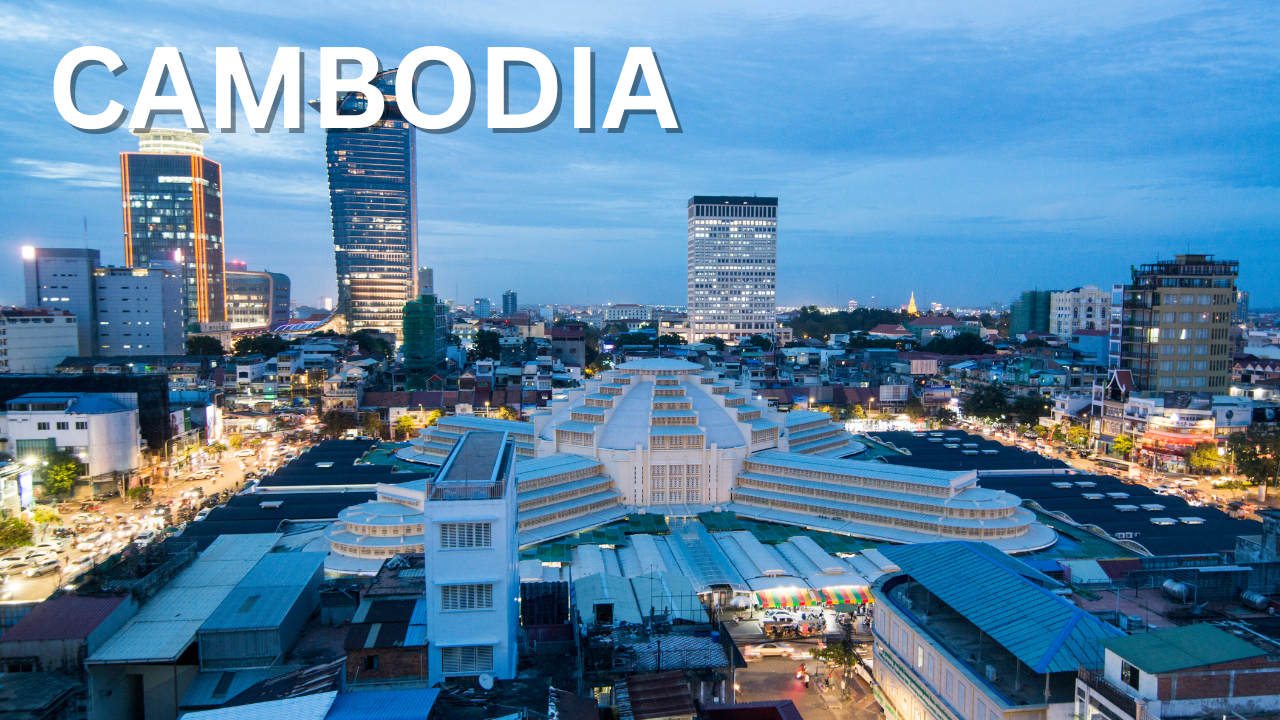
Flee Red States - Cambodia
LGBTQ Civil Rights in Cambodia if Obergefell and Lawrence Were Overturned
If the United States were to lose the protections established by Obergefell v. Hodges (marriage equality) and Lawrence v. Texas (decriminalizing same-sex intimacy), LGBTQ rights would quickly become a state-by-state patchwork. Looking internationally, Cambodia offers an interesting contrast: a country where LGBTQ identity is not criminalized, but where legal recognition and protections remain limited.
⚖️ Marriage & Relationship Recognition
- No marriage equality: Cambodia’s Constitution and marriage laws define marriage as between a man and a woman. Same-sex marriage is not legally recognized.
- Symbolic recognition: Some local governments have issued informal “family relationship declarations” to same-sex couples, but these carry no binding legal rights.
- Public sentiment: Cambodia is often described as culturally tolerant compared to neighboring countries, but that tolerance has not yet translated into national legal reform.
If Obergefell were overturned in the U.S.: Many American states could begin to resemble Cambodia—where same-sex couples can live together openly but lack formal legal recognition and protections.
🚫 Sodomy Laws & Sexual Privacy
- No sodomy laws: Cambodia has never criminalized consensual same-sex intimacy in modern law.
- Same-sex relationships are legal, and there are no statutes that could be “revived” if legal protections shift internationally.
U.S. comparison: If Lawrence v. Texas were overturned, several U.S. states could re-enforce dormant sodomy laws. Cambodia’s legal framework shows how permanent decriminalization removes that risk entirely.
💥 Hate Crimes & Discrimination
- No specific hate crime law: Cambodia does not have legislation explicitly addressing hate crimes based on sexual orientation or gender identity.
- General protections: The Constitution guarantees equality, but enforcement for LGBTQ people is inconsistent.
- Reality: LGBTQ individuals report harassment, family rejection, and workplace discrimination. Violence does occur, but it is often underreported and rarely prosecuted as bias-motivated crime.
Key issue: Without explicit legal recognition of hate crimes, incidents targeting LGBTQ individuals are treated as ordinary crimes, which can obscure patterns of discrimination.
👨👨👧 Adoption & Family Rights
- Single adoption: LGBTQ individuals may adopt as single parents under Cambodian law.
- Couple adoption: Same-sex couples cannot adopt jointly because their relationships are not legally recognized.
- Family security: Without marriage or partnership recognition, LGBTQ families lack legal protections for custody, inheritance, and parental rights.
If Obergefell were overturned in the U.S.: Adoption rights tied to marriage could disappear in many states, leaving families in a situation similar to Cambodia—functioning socially but lacking legal security.
🏳️⚧️ Transgender Rights
- Legal recognition: Cambodia does not have a clear national process for legal gender recognition. Changing gender markers on official documents is difficult or impossible in most cases.
- Healthcare: Gender-affirming care exists but is limited, often requiring travel abroad or access to private providers.
- Social context: Trans individuals—often referred to as part of Cambodia’s visible LGBTQ community—experience higher rates of discrimination, unemployment, and social stigma.
While Cambodia is often seen as culturally tolerant, legal protections for transgender people remain minimal.
🌍 What Cambodia Shows Us
Cambodia represents a “middle ground” in LGBTQ rights:
Strengths
- ✅ No criminalization of same-sex relationships
- ✅ Cultural visibility and relative social tolerance in urban areas
Weaknesses
- ❌ No marriage or legal partnership recognition
- ❌ No hate crime protections
- ❌ No joint adoption rights
- ❌ No clear legal gender recognition framework
✅ Conclusion
Cambodia illustrates what LGBTQ life can look like in a country where you are not criminalized—but not fully protected either.
If Obergefell and Lawrence were overturned in the United States, many regions could begin to mirror Cambodia’s current reality:
- Relationships allowed, but not legally recognized
- Families existing without full legal protection
- Safety dependent on local attitudes rather than strong national laws
The takeaway is clear: decriminalization is only the first step. Without marriage equality, anti-discrimination protections, and enforceable rights, LGBTQ people remain vulnerable—even in places that appear tolerant on the surface.