



LGBTQ Migration - South Dakota
| South Dakota |      |
 |
 |
 |
The Fragile State of LGBTQ Civil Rights in South Dakota: What Could Happen If Obergefell and Lawrence Are Overturned?
The potential reversal of landmark Supreme Court cases Obergefell v. Hodges and Lawrence v. Texas could set LGBTQ rights back decades, especially in states like South Dakota, where protections for LGBTQ individuals are limited. These cases, which respectively legalized same-sex marriage and invalidated sodomy laws, have been instrumental in advancing equality. In South Dakota, such reversals would have a profound impact, threatening the already fragile legal landscape for LGBTQ rights.
This blog examines how such changes could affect same-sex marriage, hate crime protections, sodomy laws, LGBTQ adoption rights, and transgender rights in South Dakota.
Same-Sex Marriage and Parental Rights
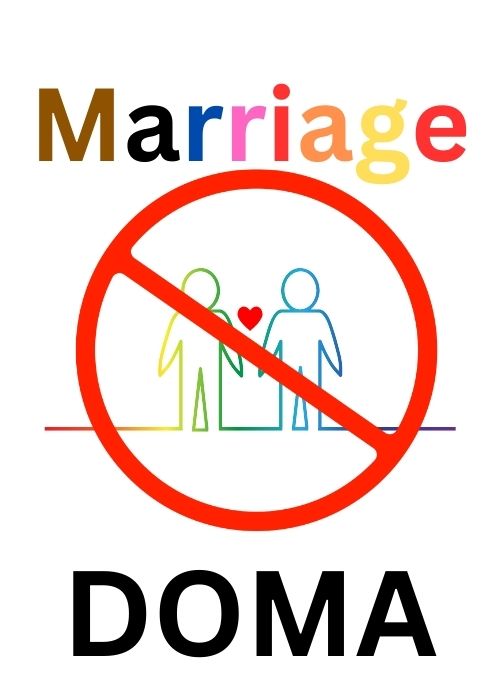
If Obergefell v. Hodges were overturned, the legality of same-sex marriage would revert to individual states. South Dakota has not codified marriage equality into state law, meaning same-sex marriage could be banned again if Obergefell were no longer in effect. The state previously had a constitutional amendment defining marriage as exclusively between a man and a woman, which was invalidated by Obergefell. The overturning of this decision could reinstate the ban, leaving many same-sex couples in legal limbo.
Parental Rights and Adoption:
South Dakota does not explicitly prohibit LGBTQ individuals or couples from adopting, but the state has a "religious exemption" law allowing adoption and foster agencies to deny placements based on religious beliefs. If Obergefell were overturned, these exemptions could further jeopardize LGBTQ families, particularly those relying on joint adoption rights. The uncertainty could discourage same-sex couples from pursuing adoption, fearing discrimination or legal challenges.
The Revival of Sodomy Laws
Before Lawrence v. Texas struck down sodomy laws nationwide in 2003, South Dakota’s laws criminalized consensual same-sex sexual activity. If Lawrence were overturned, these laws could potentially be reinstated, creating an atmosphere of fear and stigmatization for LGBTQ individuals. While it is unclear if South Dakota would actively enforce such laws, their reemergence could embolden anti-LGBTQ sentiment and discrimination.
Hate Crimes and Anti-LGBTQ Violence
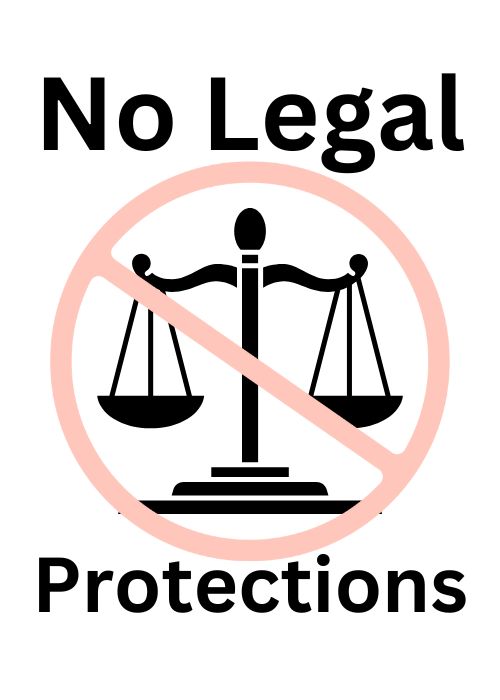
South Dakota's hate crime laws are among the weakest in the nation. The state does not include sexual orientation or gender identity in its hate crime statutes. This omission leaves LGBTQ individuals vulnerable and unprotected under state law. National data shows a troubling rise in anti-LGBTQ hate crimes, and South Dakota’s lack of inclusion in its statutes sends a signal that such crimes may not be taken seriously.
If federal protections were weakened alongside the reversal of Obergefell and Lawrence, South Dakota’s LGBTQ community could face increased harassment, violence, and legal uncertainty, with limited recourse under the law.
Transgender Rights in South Dakota
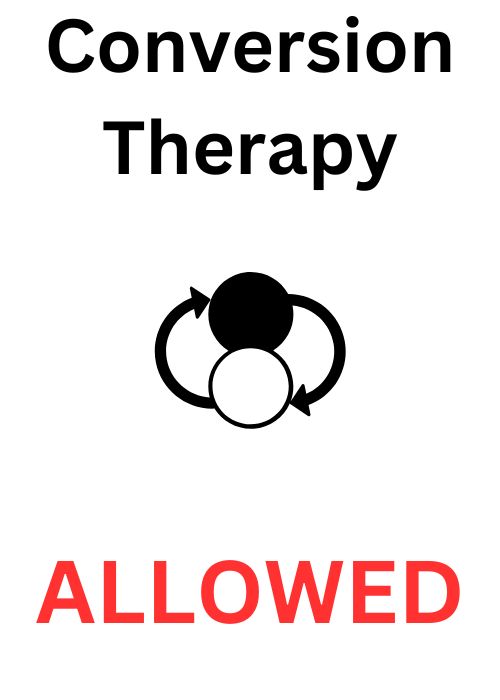
Transgender rights are already under significant attack in South Dakota. The state has passed several laws targeting transgender individuals, including bans on gender-affirming healthcare for minors and restrictions on participation in sports aligning with one’s gender identity. If federal protections for LGBTQ individuals were eroded, these attacks could intensify, leaving transgender individuals with even fewer rights and protections.
Without federal guidance, issues such as healthcare access, identification documents, and discrimination in employment and housing could become even more contentious, with South Dakota likely to enact further restrictions.
The Broader Impact: A Legal and Cultural Shift
Reversing Obergefell and Lawrence would create a ripple effect across South Dakota and the nation. The legal vacuum left by these decisions would allow conservative states like South Dakota to implement regressive policies, emboldening anti-LGBTQ rhetoric and actions. This could result in:
- Increased Discrimination: Businesses and institutions might feel empowered to discriminate without fear of legal consequences.
- Economic Consequences: South Dakota could face backlash from businesses, organizations, and tourists, as has happened in other states that enacted anti-LGBTQ laws.
- Mental Health Impacts: The LGBTQ community, already at higher risk for mental health challenges, could experience increased stress and fear, leading to negative outcomes.
What Can Be Done to Protect LGBTQ Rights in South Dakota?
- Advocacy for Inclusive Laws: Activists must continue pushing for state-level protections for LGBTQ individuals, particularly in areas like hate crimes, employment, housing, and healthcare.
- Community Support: Building strong local networks and advocacy groups can provide support and resources to LGBTQ individuals and families.
- Electing Pro-Equality Leaders: The ballot box remains one of the most powerful tools for change. Electing leaders who prioritize equality is essential to advancing LGBTQ rights.
- Public Education Campaigns: Reducing stigma and misinformation through education can foster greater understanding and acceptance.
Conclusion
The reversal of Obergefell and Lawrence would pose a significant threat to LGBTQ rights in South Dakota. While the state’s LGBTQ community has made progress, it remains vulnerable without comprehensive state and federal protections. Now, more than ever, it is critical to stand in solidarity with LGBTQ individuals and work toward a future where equality is not just a promise but a reality for all.