



LGBTQ Migration - Connecticut
| Connecticut |      |
 |
 |
 |
A Grim Hypothetical: LGBTQ Civil Rights in Connecticut if Obergefell and Lawrence Were Overturned
The U.S. Supreme Court decisions in Obergefell v. Hodges (2015) and Lawrence v. Texas (2003) marked critical milestones in the LGBTQ civil rights movement, solidifying marriage equality and decriminalizing consensual same-sex relationships nationwide. But what would happen if these landmark rulings were overturned? For LGBTQ individuals in Connecticut, a rollback of these decisions could fundamentally alter civil rights protections. In this blog, we’ll explore the potential fallout in Connecticut, including updates on hate crime laws, sodomy statutes, adoption rights, and transgender protections.
Impact on Same-Sex Marriage in Connecticut
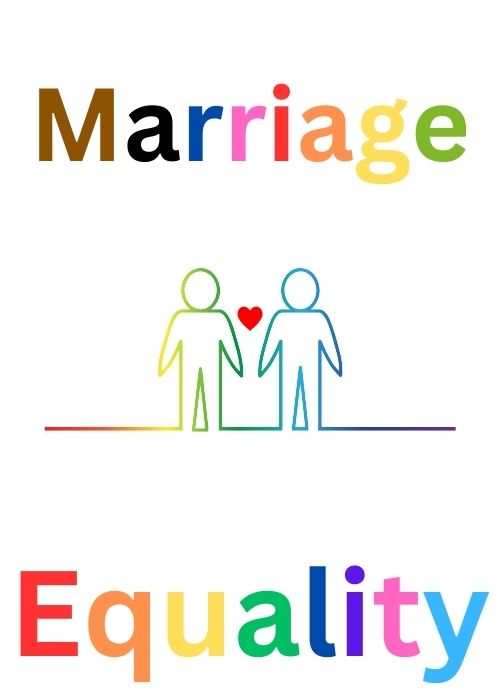
Connecticut has been a trailblazer in LGBTQ equality, being the second state to legalize same-sex marriage in 2008—well before the Obergefell decision. Should Obergefell be overturned, marriage rights for same-sex couples in Connecticut would likely remain intact due to state law. However, this would not shield residents from the broader implications of federal non-recognition of same-sex marriages, such as unequal access to Social Security benefits, federal tax benefits, or immigration rights for bi-national couples. Furthermore, the lack of a federal mandate could embolden opposition in other states, potentially creating a patchwork of marriage rights nationwide.
Resurgence of Sodomy Laws Post-Lawrence
Before Lawrence v. Texas, consensual same-sex intimacy was criminalized in many states under sodomy laws. While Connecticut repealed its sodomy laws in 1971, the overturning of Lawrence could give other states the ability to reintroduce or enforce such laws. This could contribute to a chilling effect, fostering a hostile legal and cultural environment for LGBTQ people across the country, even in more progressive states like Connecticut.
Adoption Rights for LGBTQ Families
Connecticut currently allows same-sex couples to adopt, and there are explicit protections for LGBTQ parents. However, a rollback of Obergefell could embolden legal challenges to these rights, particularly in states that do not explicitly protect LGBTQ adoption. The loss of federal precedent might also give conservative lawmakers and courts room to argue against the validity of parental rights for LGBTQ individuals across state lines, potentially undermining protections for Connecticut families traveling or moving to less progressive states.
Hate Crimes Laws and LGBTQ Protections
Connecticut has robust hate crimes laws that explicitly include sexual orientation and gender identity. These protections are among the strongest in the nation and offer some reassurance against the rise in anti-LGBTQ violence. However, hate crimes against LGBTQ individuals have been increasing nationally, fueled by polarizing rhetoric and legislative attacks on LGBTQ rights.
According to the latest FBI statistics, hate crimes based on sexual orientation and gender identity remain among the most frequently reported biases in the state. Efforts to strengthen enforcement of hate crime laws and provide resources for victims will be critical in mitigating these risks.
Transgender Rights in Connecticut
Connecticut is considered a leader in transgender rights, with laws that prohibit discrimination based on gender identity in housing, employment, education, and public accommodations. The state also allows residents to change their gender marker on identification documents without requiring surgery. However, if the rollback of LGBTQ protections gains momentum nationally, transgender rights could face significant challenges.
States without explicit protections might target transgender individuals through policies banning gender-affirming care, restricting bathroom access, or barring trans athletes from participation in sports. The absence of federal support would place additional pressure on state-level protections and advocacy organizations in Connecticut to fill the void.
The Broader Implications
While Connecticut’s progressive stance offers some security, the overturning of Obergefell and Lawrence would likely embolden anti-LGBTQ sentiment across the country. Such a shift could create ripple effects, eroding federal protections and normalizing discrimination. Connecticut’s LGBTQ community would still be vulnerable to the broader social and political backlash, particularly as the state contends with rising hate crimes and national campaigns against LGBTQ rights.
The Path Forward
If these landmark decisions were overturned, Connecticut would need to double down on its commitment to LGBTQ equality by:
- Strengthening State Laws: Codifying protections for same-sex marriage, adoption rights, and transgender protections to ensure they are insulated from federal challenges.
- Public Education Campaigns: Combatting anti-LGBTQ rhetoric through public awareness initiatives to foster understanding and inclusion.
- Advocacy and Legal Challenges: Supporting organizations that provide legal assistance to LGBTQ individuals facing discrimination.
- Monitoring Hate Crimes: Ensuring robust reporting, prosecution, and prevention efforts in response to rising hate crimes.
The hypothetical rollback of Obergefell and Lawrence represents a grim scenario, but Connecticut has the tools to stand as a beacon of hope and resistance. By safeguarding and expanding civil rights protections, the state can reaffirm its commitment to equality for all, even in the face of national uncertainty.