



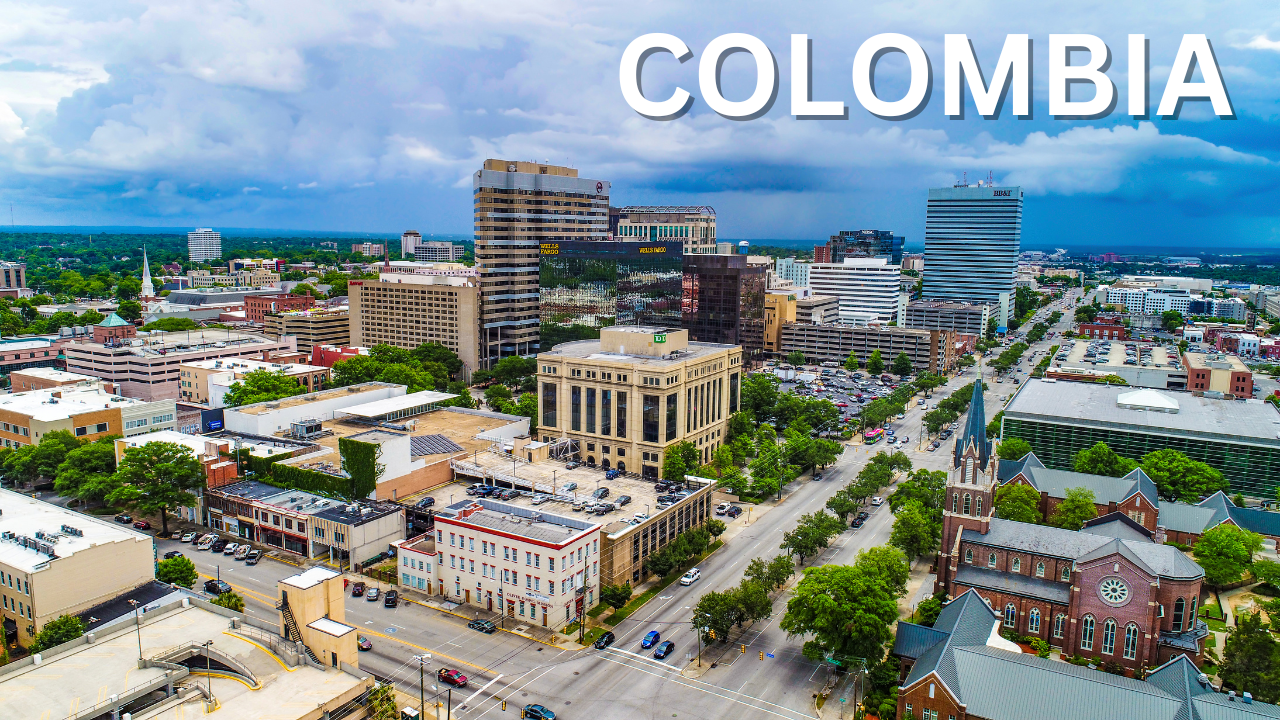
Flee Red States - Colombia
LGBTQ Civil Rights in Colombia if Obergefell and Lawrence Were Overturned
As the United States faces uncertainty around the potential reversal of landmark Supreme Court cases like Obergefell v. Hodges (2015, same-sex marriage) and Lawrence v. Texas (2003, decriminalization of sodomy), it is important to examine how other countries protect—or fail to protect—LGBTQ communities. Colombia has made major strides in recent decades, but challenges remain.
⚖️ Marriage Equality in Colombia
-
Legal since 2016: Colombia’s Constitutional Court ruled that same-sex couples have the right to marry, making it the fourth Latin American country to embrace marriage equality.
-
Equal protections: Same-sex marriages carry the same legal rights as heterosexual marriages, including inheritance, property, pension, and healthcare benefits.
If Obergefell is overturned in the U.S.: States with pre-existing bans could once again prohibit same-sex marriages, while Colombia’s ruling ensures nationwide protections—making it a more stable environment for LGBTQ families.
🚫 Sodomy Laws
-
Colombia decriminalized same-sex intimacy in 1980.
-
The age of consent is equal for both heterosexual and homosexual couples (14 years old, though protections apply for minors).
If Lawrence is overturned in the U.S.: Some U.S. states still have sodomy laws on the books that could be revived, while Colombia has long since abandoned such statutes.
💥 Hate Crimes and Anti-Discrimination
-
Anti-discrimination protections: Colombia’s Constitution and subsequent legislation prohibit discrimination based on sexual orientation and gender identity.
-
Hate crimes law: Bias-motivated violence against LGBTQ people can carry harsher penalties under Colombia’s Penal Code.
-
On the ground: Despite these protections, violence remains a serious problem. LGBTQ organizations report dozens of murders annually, particularly targeting transgender women. In 2021, for instance, advocacy groups documented over 100 killings of LGBTQ individuals, many linked to hate crimes. Enforcement and accountability remain inconsistent.
U.S. comparison: The U.S. has the federal Matthew Shepard and James Byrd Jr. Hate Crimes Prevention Act (2009). If federal protections weakened, the U.S. could resemble Colombia’s situation—laws on paper, but uneven implementation.
👨👨👧 Adoption and Family Rights
-
Adoption rights: Since a 2015 Constitutional Court ruling, same-sex couples can jointly adopt children.
-
Equal parental rights: The decision recognized that denying adoption was discriminatory and affirmed the right of children to grow up in loving families regardless of parental sexual orientation.
If Obergefell is overturned in the U.S.: Adoption rights in some states may be rolled back, especially where laws tie adoption access to marital status. Colombia currently offers greater stability.
🏳️⚧️ Trans Rights in Colombia
-
Legal recognition: Since 2015, Colombians can change their gender marker on ID documents through a notary declaration, without requiring surgery or medical diagnosis.
-
Healthcare: Transgender individuals have the right to access gender-affirming healthcare under the public health system, though access is often limited by bureaucracy, cost, or social stigma.
-
Social challenges: Trans people, especially trans women, face high rates of violence, unemployment, and exclusion.
U.S. comparison: If federal LGBTQ protections are weakened, transgender rights in the U.S. could fragment by state, similar to Colombia’s gap between legal recognition and real-world acceptance.
✅ Conclusion
Colombia demonstrates how far a country can progress on LGBTQ rights with strong Constitutional Court support:
-
Same-sex marriage and adoption rights are legally secure.
-
Sodomy laws were abolished decades ago.
-
Hate crime and anti-discrimination protections exist but lack strong enforcement.
-
Transgender rights are legally recognized, though social barriers remain.
If the U.S. loses Obergefell and Lawrence, many states could regress to a patchwork system of rights, looking more like countries where protections depend on courts and political will rather than robust federal guarantees. Colombia shows that legal recognition is possible—but also that rights are only as strong as their enforcement in everyday life.