



LGBTQ Migration - Ohio
| Ohio |      |
 |
 |
 |
The Fragile Future of LGBTQ Civil Rights in Ohio: What Happens if Obergefell and Lawrence Are Overturned?
The potential reversal of Obergefell v. Hodges and Lawrence v. Texas could set LGBTQ civil rights back decades, with serious implications for states like Ohio. As the birthplace of the Obergefell case, Ohio has symbolic importance in the LGBTQ rights movement, yet its laws and protections for LGBTQ individuals remain uneven. If these landmark rulings were overturned, the fallout could dramatically affect same-sex marriage, adoption rights, protections against hate crimes, and the rights of transgender individuals in the state.
Same-Sex Marriage and Parental Rights
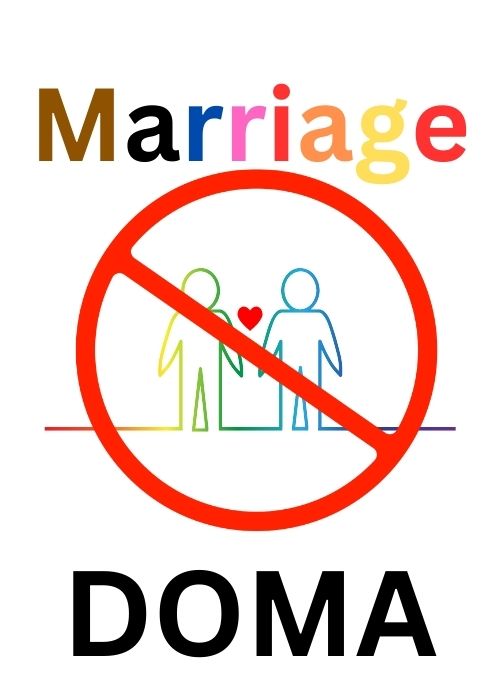
If Obergefell v. Hodges, which legalized same-sex marriage nationwide, were overturned, Ohio would face immediate and significant challenges. Before Obergefell, Ohio had a constitutional ban on same-sex marriage, passed in 2004. That ban would likely come back into effect, making same-sex marriage illegal in the state. Same-sex couples married in other states could face uncertainty regarding the recognition of their marriages in Ohio, potentially losing access to spousal benefits, inheritance rights, and joint tax filings.
The reversal of Obergefell would also jeopardize LGBTQ adoption rights. Although Ohio currently allows same-sex couples to adopt, the lack of explicit protections for LGBTQ parents could open the door for challenges to adoption and parental rights. Non-biological parents in same-sex relationships could face legal battles to maintain custody of their children, especially if federal recognition of LGBTQ families is rescinded.
Sodomy Laws and the Shadow of Lawrence v. Texas
Prior to the 2003 decision in Lawrence v. Texas, many states, including Ohio, had sodomy laws that criminalized consensual same-sex sexual activity. If Lawrence were overturned, these archaic laws could be reinstated, even if they are rarely enforced. Their return would not only stigmatize LGBTQ individuals but also create legal justification for discrimination, further marginalizing an already vulnerable community.
Even if Ohio does not actively enforce sodomy laws, their mere presence would embolden anti-LGBTQ sentiment and weaken protections against harassment and violence.
Hate Crimes and Anti-LGBTQ Violence
Ohio’s hate crime laws currently do not explicitly cover crimes motivated by a victim’s sexual orientation or gender identity. This glaring omission leaves LGBTQ individuals particularly vulnerable, as crimes targeting them are not subject to enhanced penalties. According to FBI data, hate crimes against LGBTQ individuals have been rising nationally, and Ohio is no exception. The lack of comprehensive hate crime protections in the state underscores the urgent need for legislative action, particularly in a climate where federal protections may erode.
Trans Rights: Progress and Setbacks
The rights of transgender individuals in Ohio remain tenuous. While some municipalities in the state, like Columbus and Cincinnati, have enacted local ordinances to protect against discrimination based on gender identity, Ohio lacks statewide protections for trans individuals. This patchwork of protections leaves many trans Ohioans vulnerable to discrimination in employment, housing, and public accommodations.
Access to gender-affirming healthcare has also become a battleground. If federal protections were rolled back, Ohio could see an uptick in legislation targeting transgender healthcare access, participation in sports, and use of public facilities. The legal and cultural ripple effects of a federal rollback could intensify the challenges faced by trans individuals in the state.
What Ohio Can Do to Protect LGBTQ Rights
In the face of potential federal rollbacks, Ohio can take proactive steps to safeguard LGBTQ rights:
-
Codify Same-Sex Marriage Protections: Enact state legislation recognizing same-sex marriage regardless of federal rulings.
-
Expand Hate Crime Protections: Pass a comprehensive hate crimes law that includes sexual orientation and gender identity as protected categories.
-
Guarantee LGBTQ Adoption Rights: Strengthen state laws to explicitly protect the rights of LGBTQ individuals and couples to adopt and retain custody of their children.
-
Enact Statewide Non-Discrimination Protections: Pass legislation to prohibit discrimination based on sexual orientation and gender identity in employment, housing, and public accommodations.
-
Support Transgender Rights: Ensure trans individuals have access to affirming healthcare, identity document changes, and protections in public spaces.
The Road Ahead: Advocacy and Resilience
Overturning Obergefell v. Hodges and Lawrence v. Texas would create a precarious legal and cultural environment for LGBTQ individuals in Ohio. Without federal protections, state-level activism and legislation will become even more critical. Ohioans must demand action from their lawmakers to protect LGBTQ rights and push back against attempts to roll back progress.
The fight for equality is far from over. As history has shown, setbacks can fuel resilience and galvanize advocacy. For Ohio’s LGBTQ community, solidarity and vigilance will be essential to weathering these potential challenges and continuing the pursuit of justice and equality for all.