



LGBTQ Migration - Arkansas
| Arkansas |      |
 |
 |
 |
LGBTQ Civil Rights in Arkansas: The Consequences of Overturning Obergefell v. Hodges and Lawrence v. Texas
The rights and protections of LGBTQ individuals in the United States have seen significant advances over the past two decades, thanks to pivotal Supreme Court decisions such as Obergefell v. Hodges (2015), which legalized same-sex marriage nationwide, and Lawrence v. Texas (2003), which decriminalized consensual same-sex intimacy. However, if the U.S. Supreme Court were to overturn these landmark rulings, LGBTQ people in Arkansas would face a dramatic erosion of their civil rights. Such a move could have serious implications for everything from marriage equality and adoption rights to personal safety and legal protections from discrimination.
Arkansas, a state with a historically conservative stance on LGBTQ issues, would see both legal and social repercussions if Obergefell and Lawrence were overturned. In this post-Obergefell and Lawrence world, LGBTQ individuals could experience a rollback of their hard-won freedoms, while the state’s legal landscape could return to a time when discrimination and criminalization were commonplace.
The Impact of Overturning Obergefell v. Hodges in Arkansas
-
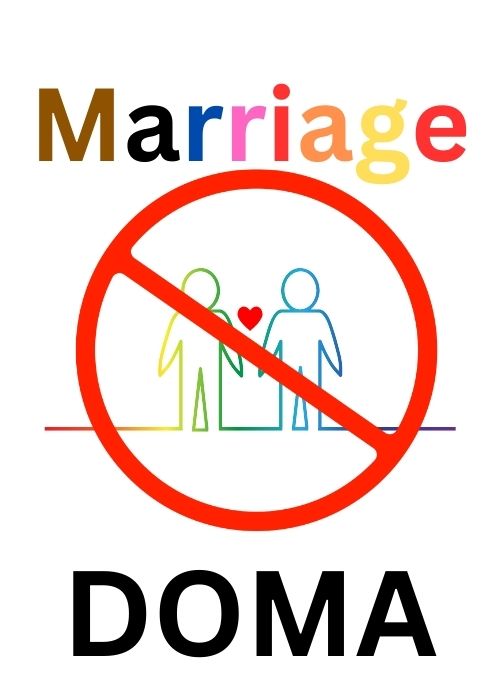
Same-Sex Marriage: Before the Obergefell decision, Arkansas had a constitutional amendment (passed in 2004) that defined marriage as between one man and one woman. If the Supreme Court were to overturn Obergefell, Arkansas could reinstate this ban on same-sex marriage, making it once again illegal for same-sex couples to marry. This would strip same-sex couples of the rights and benefits that come with marriage, including tax benefits, inheritance rights, and access to health care.
For same-sex couples in Arkansas, the legal and emotional toll of this rollback would be immense. The uncertainty surrounding marriage would create additional barriers for LGBTQ families. Legal protections that are afforded through marriage, such as rights to adopt, parent, and make medical decisions for one another, could be jeopardized, forcing couples to navigate a complex legal system to secure basic rights.
Additionally, the social ramifications of an overturned Obergefell decision would deepen existing divisions in the state. Many conservative and religious communities in Arkansas would likely celebrate such a reversal, while LGBTQ individuals and their allies would face an uphill battle to regain equal recognition under the law.
Sodomy Laws Could Return: Recriminalizing Same-Sex Intimacy
If Lawrence v. Texas were also overturned, it could once again become a crime in some states to engage in consensual same-sex sexual activity. Arkansas, like many other states, had a sodomy law in place before the Lawrence decision that specifically criminalized sodomy between same-sex partners. While these laws were invalidated by Lawrence, a Supreme Court reversal would allow these laws to come back into effect.
The re-criminalization of same-sex intimacy would bring Arkansas back to a time when LGBTQ individuals faced the threat of arrest simply for being intimate with a partner. This would not only harm LGBTQ people’s sense of personal security but could also lead to social stigma and legal discrimination, creating an atmosphere of fear for many who are simply trying to live their lives authentically.
Even if Arkansas law enforcement were unlikely to actively prosecute consensual same-sex activity, the presence of these laws would signal a return to second-class status for LGBTQ individuals. It would also create significant barriers to accessing legal protections in cases of domestic violence or abuse, as same-sex couples would not have equal standing in legal matters that rely on the legitimacy of their relationship.
LGBTQ Adoption Rights in Arkansas
Adoption is another area where LGBTQ individuals and couples in Arkansas could see significant setbacks if Obergefell and Lawrence were overturned. Although Arkansas law does not outright ban same-sex adoption, the absence of marriage equality would complicate the ability of same-sex couples to adopt children together.
-
Joint Adoption Issues: In Arkansas, if a same-sex couple is not legally married, one partner may face difficulties in legally adopting a child. If same-sex marriage is no longer recognized, the non-biological parent would need to go through additional legal steps, such as a second-parent adoption, to establish their legal rights to the child. In the absence of federal protections, many LGBTQ parents would face an uncertain future when it comes to issues like guardianship and custody, especially in the event of a breakup or the death of one parent.
-
Foster Care and Adoption Discrimination: Though Arkansas has no state-level law explicitly banning LGBTQ people from adopting, some faith-based adoption agencies in the state may refuse to work with same-sex couples due to religious beliefs. If Obergefell were overturned and same-sex marriage no longer provided legal standing, these agencies could potentially use religious freedom as justification to discriminate against LGBTQ couples. This could further limit the ability of LGBTQ individuals and couples to adopt children, making it harder for foster children in the state to find loving homes.
The Threat of Conversion Therapy in Arkansas
Conversion therapy, the discredited and harmful practice aimed at changing an individual’s sexual orientation or gender identity, continues to be a significant issue in many parts of the country. In Arkansas, there are no statewide protections banning the practice for minors, and local ordinances that might address conversion therapy are few and far between.
-
The Potential Resurgence of Conversion Therapy: If Obergefell and Lawrence were overturned, the landscape for conversion therapy in Arkansas could become more hostile. Anti-LGBTQ groups could seize the opportunity to push for greater acceptance of conversion therapy, particularly under the guise of religious freedom. Without legal protections for LGBTQ individuals, parents might be more likely to turn to these dangerous practices in an attempt to "change" their children’s sexual orientation or gender identity, despite the well-documented harm they cause.
Arkansas’ lack of legal safeguards for LGBTQ youth places them at particular risk. While some states have passed laws banning the practice of conversion therapy for minors, Arkansas has no such law, leaving vulnerable youth exposed to harmful, debunked practices.
Hate Crimes Against LGBTQ People in Arkansas
Hate crimes against LGBTQ individuals have been a growing concern across the United States, and Arkansas is no exception. According to the FBI’s Hate Crime Statistics report, there were 7 reported hate crimes based on sexual orientation in Arkansas in 2021. The state also reported hate crimes related to gender identity, though these figures are often underreported.
-
Rising Violence Against LGBTQ Arkansans: Hate crimes based on sexual orientation and gender identity in Arkansas are a significant issue, with LGBTQ people, particularly transgender individuals, being disproportionately targeted for violence. The trend of violence against the LGBTQ community could increase if protections like Obergefell and Lawrence are overturned. Without federal legal safeguards, LGBTQ individuals would have fewer protections against discrimination and violence, emboldening perpetrators and making it harder to seek justice.
Transgender people in particular are at an elevated risk of violence. In 2021, Arkansas became one of the first states to pass a law banning gender-affirming medical care for transgender minors. This law, along with a lack of LGBTQ protections in other areas, sends a message that transgender individuals do not have the same rights or protections as their cisgender counterparts.
Moving Forward: Advocacy and Legal Challenges
If Obergefell and Lawrence were overturned, LGBTQ rights in Arkansas would likely face an uphill battle. Advocacy organizations, such as the Arkansas LGBTQ Equality Coalition and The ACLU of Arkansas, would continue to fight for comprehensive state-level protections for LGBTQ individuals. These organizations would push for anti-discrimination laws, marriage equality, and protection from conversion therapy, even in the face of hostile political climates.
At the local level, some cities like Little Rock and Fayetteville have passed ordinances that protect LGBTQ people from discrimination in employment, housing, and public accommodations. These local protections could serve as models for further advocacy, and LGBTQ Arkansans would likely turn to their local governments to push for more inclusive policies.
Conclusion
If the U.S. Supreme Court were to overturn Obergefell v. Hodges and Lawrence v. Texas, Arkansas would face a painful regression in the rights of LGBTQ individuals. Same-sex couples would lose marriage rights, sodomy laws could be re-enacted, adoption and family protections would become uncertain, and conversion therapy could become a more common and accepted practice. All of this would contribute to a rise in discrimination and violence against LGBTQ individuals in the state.
However, despite these challenges, the resilience of Arkansas’ LGBTQ community and the advocacy of local and national organizations provide a glimmer of hope. The fight for LGBTQ rights in Arkansas would continue, but it is clear that the battle for equality in the state would become even more urgent and contentious if federal protections were stripped away. The road ahead would be difficult, but the pursuit of justice and equality remains a vital and ongoing mission.