



LGBTQ Migration - Maine
| Maine |      |
 |
 |
 |
The Future of LGBTQ Civil Rights in Maine: Navigating a Post-Obergefell and Post-Lawrence Landscape
The Supreme Court's landmark rulings in Obergefell v. Hodges (2015), which legalized same-sex marriage nationwide, and Lawrence v. Texas (2003), which struck down sodomy laws, were transformative for LGBTQ civil rights in America. If these protections were overturned, the legal and social impacts would reverberate across the country, including in Maine. While Maine has a reputation as a state supportive of LGBTQ rights, the loss of federal protections could have significant consequences. This blog explores the potential ramifications for LGBTQ rights in Maine, including hate crime laws, sodomy laws, adoption rights, and transgender rights.
Maine’s Legal Landscape for LGBTQ Rights
Maine is recognized as a leader in LGBTQ equality, with strong state-level protections. However, the reversal of Obergefell and Lawrence would test the resilience of these safeguards.
Marriage Equality and Parental Rights
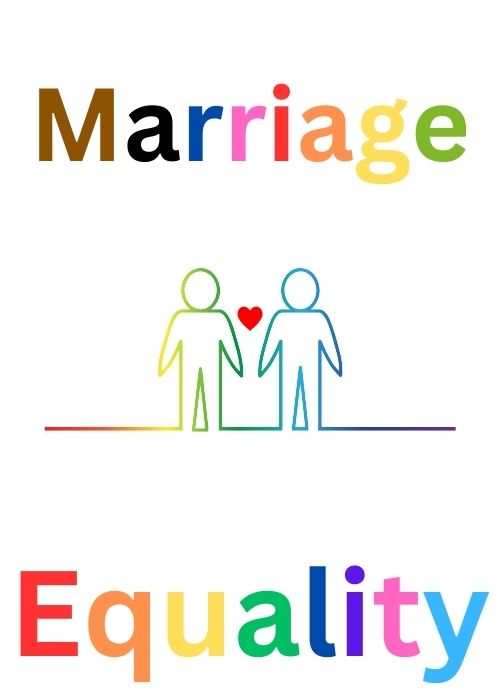
Maine legalized same-sex marriage in 2012 through a voter-approved referendum, three years before Obergefell. If Obergefell were overturned, Maine’s marriage equality law would remain intact, ensuring that same-sex couples could still marry in the state. However, complications could arise in areas such as interstate recognition of Maine marriages and federal benefits tied to marital status.
Parental rights for LGBTQ families could also face challenges. Maine does not discriminate against same-sex couples in adoption or parental rights; however, without federal recognition of these relationships, non-biological parents in LGBTQ families could encounter legal hurdles, particularly if they move to or travel in states hostile to LGBTQ rights.
The Revival of Sodomy Laws Post-Lawrence
Maine repealed its sodomy laws in 1976, nearly three decades before the Supreme Court's decision in Lawrence v. Texas. While the immediate legal impact of overturning Lawrence would be minimal in Maine, the cultural and symbolic implications of reinstating sodomy laws at the federal level could embolden anti-LGBTQ rhetoric. Additionally, states with conservative leadership might seek to reintroduce such laws, creating a chilling effect nationwide.
Hate Crimes and Anti-LGBTQ Violence in Maine
Maine’s hate crime laws include protections for sexual orientation and gender identity, reflecting a commitment to combat bias-motivated violence. However, hate crimes targeting LGBTQ individuals remain a pressing issue across the country, and Maine is no exception.
The most recent FBI statistics show that LGBTQ individuals are disproportionately targeted in hate crimes. In Maine, reported incidents have remained relatively low compared to larger states, but underreporting is a well-documented issue in hate crime statistics. If federal protections for LGBTQ individuals were rolled back, there is a risk of increased violence and bias incidents as anti-LGBTQ sentiment gains traction.
Maine must continue to strengthen enforcement of hate crime laws and provide resources to support victims, particularly in rural areas where LGBTQ individuals may face isolation and stigma.
Transgender Rights: Challenges Ahead
Maine has been a trailblazer in advancing transgender rights. State law prohibits discrimination based on gender identity in employment, housing, public accommodations, and education. Additionally, Maine allows transgender individuals to update their gender markers on identification documents without undergoing surgery.
However, the rollback of federal protections for transgender individuals could lead to challenges, especially in healthcare and education. For instance, federal funding for schools and healthcare providers could be weaponized to enforce policies that exclude transgender individuals.
Maine must remain vigilant in defending trans rights, particularly as national attacks on gender-affirming care and trans inclusion in sports escalate. The state’s robust protections serve as a model, but advocacy and education are needed to sustain progress.
Adoption and Family Formation Rights
Maine permits LGBTQ individuals and couples to adopt, offering equal access to family formation opportunities. If Obergefell were overturned, the patchwork of state laws could jeopardize federal recognition of these family structures, complicating interstate travel and custody arrangements.
To safeguard LGBTQ families, Maine could consider additional legal measures to codify parental rights for same-sex couples, including presumptive parentage for non-biological parents in marriage and civil unions.
What’s Next for Maine? A Call to Action
If Obergefell and Lawrence were overturned, Maine’s state-level protections would provide a crucial safety net for LGBTQ individuals and families. However, the erosion of federal protections could still have profound legal and cultural impacts. Here are some steps Maine can take to strengthen LGBTQ rights:
-
Codify Explicit Protections for Families
Pass laws that explicitly protect parental rights for same-sex couples and ensure seamless recognition of LGBTQ families across state lines. -
Strengthen Hate Crime Enforcement
Increase resources for investigating and prosecuting hate crimes and ensure that law enforcement receives training on identifying and addressing bias-motivated violence. -
Invest in Advocacy and Education
Expand public education campaigns to promote understanding and acceptance of LGBTQ individuals, especially in rural communities. -
Protect Access to Gender-Affirming Care
Pass laws that safeguard access to gender-affirming healthcare and prohibit insurance discrimination against transgender individuals. -
Collaborate with Other States
Work with other progressive states to advocate for national LGBTQ protections and push back against federal rollbacks.
Conclusion
Maine has been a leader in advancing LGBTQ equality, but the potential overturning of Obergefell v. Hodges and Lawrence v. Texas would create new challenges. While the state’s strong legal framework provides some assurance, the loss of federal protections would disrupt the lives of many LGBTQ individuals and families. Maine must remain steadfast in its commitment to equality and justice, ensuring that it continues to serve as a safe and welcoming place for all. The fight for LGBTQ rights is far from over, and Maine has an important role to play in shaping a more inclusive future.