



LGBTQ Migration - Wisconsin
| Wisconsin |      |
 |
 |
 |
What Would the Loss of Obergefell and Lawrence Mean for LGBTQ Civil Rights in Wisconsin?
The potential reversal of Obergefell v. Hodges (2015), which legalized same-sex marriage, and Lawrence v. Texas (2003), which struck down sodomy laws, would significantly impact LGBTQ rights across the U.S. In Wisconsin, where progress on LGBTQ equality has been uneven, such decisions could roll back decades of advancement. While Wisconsin has certain state-level protections, federal rollbacks could fuel legal, social, and political challenges that may threaten LGBTQ civil rights.
Here’s a closer look at the possible implications for Wisconsin’s LGBTQ community, touching on hate crimes, sodomy laws, adoption rights, and protections for transgender individuals.
Same-Sex Marriage and Parental Rights
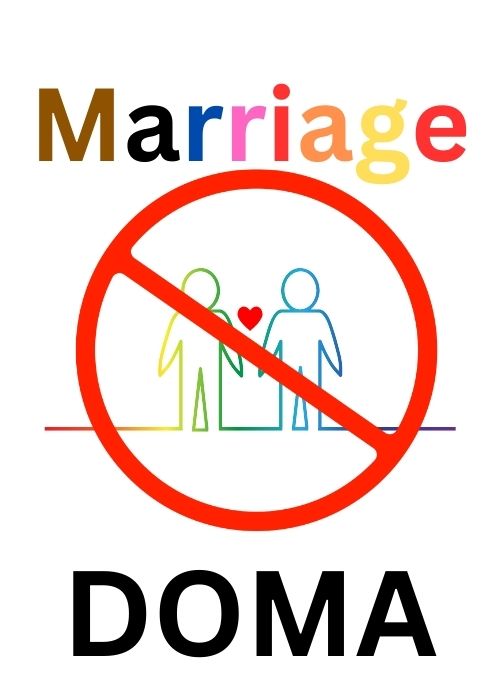
Wisconsin’s relationship with same-sex marriage has been complicated. Before Obergefell, the state constitution explicitly banned same-sex marriage, a provision passed in 2006. This ban remains in the state constitution, although it has been overridden by Obergefell. If Obergefell were overturned, Wisconsin would likely revert to its constitutional ban, instantly eliminating marriage equality in the state unless the legislature or courts intervened.
Such a regression would create substantial legal uncertainty for married same-sex couples. Issues like spousal benefits, inheritance rights, and health care decision-making could be thrown into disarray.
Adoption Rights in Wisconsin
Same-sex couples in Wisconsin currently face no explicit legal barriers to adoption. However, if Obergefell were overturned and marriage equality were invalidated, challenges could arise. Non-biological parents in same-sex relationships might face difficulties obtaining legal recognition of their parental rights, particularly in cases involving surrogacy or adoption by unmarried partners.
The Shadow of Sodomy Laws
Although Wisconsin repealed its sodomy laws in 1983, the reversal of Lawrence v. Texas could embolden other states to reinstate sodomy laws, signaling broader societal hostility toward LGBTQ individuals. Even without an active sodomy law, the symbolic impact of a Lawrence reversal could fuel anti-LGBTQ rhetoric and discrimination.
The re-criminalization of same-sex intimacy elsewhere could set a troubling precedent, undermining LGBTQ rights and emboldening lawmakers and advocacy groups that oppose LGBTQ equality nationwide.
Hate Crimes and Anti-LGBTQ Violence
Wisconsin’s hate crime laws include protections for crimes motivated by sexual orientation but notably do not cover gender identity or expression. This gap leaves transgender individuals more vulnerable to bias-motivated violence.
The FBI’s most recent hate crime statistics indicate that anti-LGBTQ hate crimes are increasing across the U.S., and Wisconsin has seen its share of these incidents. For example, several high-profile cases in recent years have highlighted violence against LGBTQ individuals, especially transgender people of color. A weakening of federal LGBTQ protections could exacerbate this trend by fostering an environment where bias and violence are more openly tolerated.
To combat this, Wisconsin would need to:
- Expand hate crime laws to include gender identity and expression.
- Allocate additional resources to investigate and prosecute hate crimes.
- Provide support and resources for victims and LGBTQ advocacy groups.
Transgender Rights in Wisconsin
Transgender rights in Wisconsin have faced significant challenges. While the state has anti-discrimination protections in employment, housing, and public accommodations based on gender identity, these are limited by gaps in enforcement and broader cultural resistance.
Several battles over transgender rights have played out in Wisconsin schools, with disputes over restroom access, pronoun use, and sports participation making headlines. If federal protections were rolled back, such as those under Title IX, transgender students and workers in Wisconsin could face even greater challenges in asserting their rights.
In addition, access to gender-affirming healthcare remains a contentious issue. Some private insurance plans in Wisconsin exclude coverage for transition-related care, and state employees faced restrictions on such coverage until 2019. A broader cultural shift against transgender rights at the federal level could embolden efforts to further restrict access to healthcare and other essential services.
Wisconsin in a Post-Obergefell and Lawrence World
If these landmark Supreme Court cases were overturned, the responsibility for LGBTQ rights would largely fall to state governments. In Wisconsin, this could lead to several outcomes:
- Marriage Equality in Jeopardy: Same-sex couples could lose the right to marry, returning to a system of unequal treatment under the law.
- Parental Rights Under Threat: LGBTQ parents might face legal challenges, particularly if marriage equality were rescinded.
- Increased Hate Crimes: The erosion of federal protections could embolden hate-motivated violence, especially against transgender individuals.
- Trans Rights Backsliding: Without federal protections, discrimination in schools, workplaces, and healthcare could intensify.
Strengthening Protections in Wisconsin
In light of these risks, Wisconsin must take proactive steps to safeguard LGBTQ rights:
- Repeal the State’s Same-Sex Marriage Ban: While largely symbolic, removing the constitutional ban on same-sex marriage would affirm the state’s commitment to equality.
- Expand Hate Crime Protections: Amend hate crime laws to explicitly include gender identity and expression.
- Enhance Anti-Discrimination Laws: Close gaps in coverage and ensure robust enforcement mechanisms for existing protections.
- Support Transgender Individuals: Guarantee access to gender-affirming healthcare and expand protections for trans students and workers.
- Advocate for Federal Protections: Work with other states to push for comprehensive, nationwide LGBTQ civil rights legislation.
Conclusion
The reversal of Obergefell and Lawrence would create a precarious future for LGBTQ rights in Wisconsin. While the state has made significant progress, these gains are far from secure. The LGBTQ community and allies must remain vigilant and proactive in defending equality, ensuring that Wisconsin does not regress in the face of federal rollbacks. Only through sustained advocacy and legislative action can Wisconsin guarantee a future where all individuals, regardless of sexual orientation or gender identity, can live with dignity and equality.
Sources
LGBTQ freedomforallamericans.org